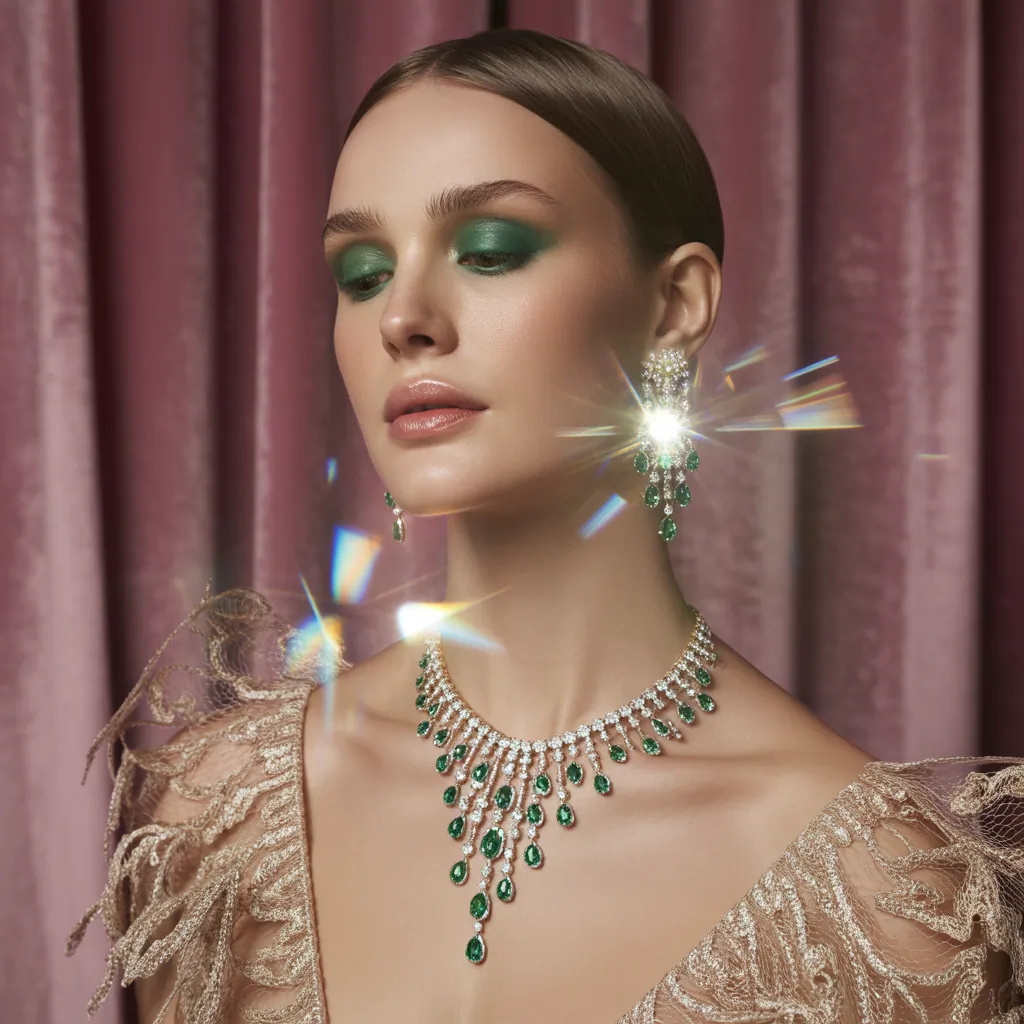
Jewelry is the fastest way to make a simple outfit look finished, and choosing it well comes down to four things: the occasion, your neckline and face shape, the metal that suits your skin tone and budget, and how you care for each piece. For most people, a small everyday set covers almost everything: stud or small hoop earrings, a fine chain or pendant, one or two rings and a watch or slim bracelet. This guide explains the main types of jewelry and metals, necklace lengths, how to layer and stack, what to wear for different occasions, and how to keep pieces from tarnishing.

Why jewelry matters in an outfit
A plain tee and jeans with thin gold hoops and a pendant look deliberate; the same outfit without them looks like a Saturday errand. Jewelry adds light near the face, draws attention where you want it, and carries personality across outfits. It is also where many people keep sentimental pieces, which is part of why a small, well-chosen collection often matters more than a large one.
Understanding jewelry metals
The label on a piece tells you how it will wear, how it will age and whether it is likely to irritate sensitive skin.
| Metal or finish | What it means | Durability | Good for |
|---|---|---|---|
| Solid gold (10k, 14k, 18k) | Gold alloyed with other metals; higher karat means more gold and a softer, richer metal | Very good; 14k is a popular everyday balance | Pieces you wear daily for years |
| Platinum | Dense, naturally white precious metal | Excellent | Engagement and wedding rings |
| Sterling silver (925) | 92.5% silver | Good, but tarnishes over time | Affordable fine jewelry |
| Gold vermeil | A thicker layer of gold over sterling silver | Moderate | Gold look at a lower price |
| Gold-filled | A thick layer of gold bonded to a base metal | Good for the price | Everyday chains and hoops |
| Gold-plated | A very thin layer of gold over a base metal | Low; can wear through | Trend pieces and occasional wear |
| Stainless steel and titanium | Tough base metals, often nickel-free or low-nickel | Very good | Sensitive skin, workouts, budget basics |
If metals make your skin itchy or red, nickel is a common cause. Look for pieces labeled nickel-free, or choose titanium, surgical-grade stainless steel, platinum or higher-karat gold, and see a doctor if a reaction persists.

Match jewelry to the moment
- Daytime: studs or small hoops, a slim chain and a simple ring.
- Office: refined, small to medium pieces that do not clink on a keyboard or catch on knitwear.
- Evening: one bold element, such as chandelier earrings, layered necklaces or a cuff.
- Weddings and formal events: pearls, diamonds or crystal drops, chosen to suit the neckline of your dress.
- Travel: lightweight, versatile pieces you can wear every day, and leave valuable items at home.
Everyday outfit combinations

- Casual chic: white tee, high-waisted jeans, thin gold hoops and a pendant necklace.
- Office ready: tailored blazer, silk blouse, pearl studs and a slim watch.
- Date night: slip dress, layered necklaces in different lengths and one bold ring.
- Weekend: oversized sweater, leggings or straight jeans and a chunky chain bracelet.
For more on how jewelry fits with bags, belts and shoes, see our guide to accessorizing any dress like a pro.
Necklace lengths and necklines
Necklace lengths are usually described with standard names. Exact measurements vary slightly by brand, but the ranges below are a reliable guide.
| Name | Approximate length | Where it sits | Pairs well with |
|---|---|---|---|
| Choker | 14 to 16 inches | Around the base of the neck | Crew necks, off-the-shoulder, strapless |
| Princess | 17 to 19 inches | Just below the collarbone | Most necklines; the everyday length |
| Matinee | 20 to 24 inches | Upper chest | V-necks, button-downs |
| Opera | 28 to 36 inches | Mid chest or lower | High necks, turtlenecks, knitwear |
| Rope | Over 36 inches | Below the bust; can be doubled | Simple dresses, layered looks |
A simple rule: echo or contrast the neckline. A V-neck suits a pendant that forms its own V; a high neck suits a long chain worn over the top. Our guide to dress necklines goes deeper on matching.

Layering, stacking and mixing metals
How to layer necklaces
- Start with a short chain or choker as the base.
- Add a mid-length pendant at least two inches longer.
- Finish with a longer or heavier chain so the layers spread out.
- Vary textures and chain widths for movement.
Stacking rings and bracelets
- Pair one bold ring with slimmer bands on other fingers.
- Mix fine and chunky bracelets, and keep one wrist dominant if wearing many pieces.
- Scale to your hands and wrists: delicate stacks suit smaller frames.

Mixing gold and silver
Mixing metals looks intentional when you repeat each one at least twice, for example a gold and silver ring stack plus a two-tone watch. If you are unsure, stay in one metal family per outfit.
Earring styles at a glance
- Studs: sit on the lobe; the most versatile everyday choice and the easiest to sleep in if they are small and flat-backed.
- Huggies: small, thick hoops that hug the lobe; a step up from studs that still suits the office.
- Hoops: from fine and small to large and chunky; bigger and bolder reads more casual or evening.
- Drops and dangles: hang below the lobe and add movement; good for elongating a round face.
- Chandeliers and statement earrings: large, often layered designs best worn with a simple neckline and hair up or tucked back.
- Ear cuffs and climbers: sit along the ear and let you create a curated look without extra piercings.
Choosing jewelry for your features
Face shape and earrings
- Round: long drops or angular hoops to elongate.
- Oval: most styles work; studs and small hoops are easy everyday picks.
- Heart: teardrops or styles wider at the bottom balance a narrower chin.
- Square: rounded hoops and curved drops soften a strong jaw.

Skin tone and metal
- Warm undertones: yellow and rose gold, with warm stones like citrine and garnet.
- Cool undertones: silver, white gold and platinum, with sapphire, amethyst or emerald.
- Neutral undertones: both work, so mixing metals is easy.
If you know your seasonal color palette, our light summer color palette guide shows how metal and stone choices fit alongside clothes and makeup.
Makeup and skin care with jewelry

Let one element lead. With statement earrings, keep makeup fresh with a glowy base and neutral eyes. With layered necklaces or a bold choker, a defined lip balances the look. Because jewelry draws attention to the neck, chest, ears and hands, a simple routine for those areas helps: moisturize so skin looks healthy, use sunscreen on exposed skin, and let creams and perfume dry before putting jewelry on so they do not dull the metal.
Jewelry care to prevent tarnish and damage
- Last on, first off: put jewelry on after lotion, perfume and hairspray; take it off before bed, workouts, swimming and showers.
- Store separately: soft pouches or a lined box with compartments stop scratches and tangles. Anti-tarnish strips help with silver.
- Clean gently: wipe with a soft cloth after wearing. Solid gold, platinum and hard stones can usually be washed in warm water with mild soap and a soft brush; pearls, opals and plated pieces need only a damp cloth.
- Avoid chlorine and harsh cleaners: they can discolor metals and damage stones.
- Check settings: have valuable pieces checked by a jeweler periodically for loose prongs and worn clasps.

Building a small jewelry wardrobe
If you are starting from scratch, spend more on the pieces you wear every day and less on trend items. A sensible order is: everyday earrings in solid gold, sterling silver or titanium; a fine chain that can carry different pendants; a simple ring or band; then one statement piece for evenings. Add trend jewelry in plated metals once the basics are covered.

Frequently asked questions
How do I layer necklaces without them tangling?
Leave at least two inches between lengths, put the heaviest chain lowest, and vary weights. A multi-strand connector clasp at the back keeps chains separated.
How do I stop jewelry from tarnishing?
Keep it dry and away from lotion, perfume, chlorine and salt water. Store pieces in airtight pouches with anti-tarnish strips and wipe them with a soft cloth after wearing.
Which jewelry suits sensitive skin?
Titanium, surgical-grade stainless steel, platinum and higher-karat gold are good choices. Avoid pieces that may contain nickel and look for nickel-free labels.
Can I mix gold and silver jewelry?
Yes. Repeat each metal at least twice in the outfit, or use a two-tone piece to connect them, so the mix looks intentional.
What is the most versatile necklace length?
Princess length, around 17 to 19 inches, sits just below the collarbone and works with most necklines, which makes it the easiest everyday choice.

Make jewelry your signature
Whether you prefer minimalist studs or stacked chains, the best jewelry is the jewelry you actually wear. Choose metals that suit your skin and budget, match lengths to your necklines, and look after each piece so it stays part of your style for years.