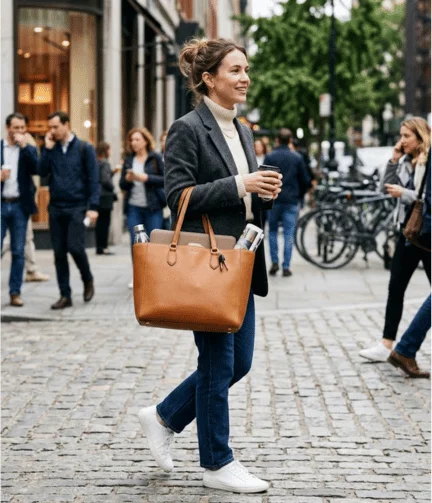
Designer tote bags combine generous space with polished style, but the right choice depends on your routine. Start with size, material, closure, weight, and what you carry each day. A beautiful bag earns its place when it also works comfortably.
| What to compare | Smart starting point | Why it matters |
|---|---|---|
| Size | Medium for daily use | Balances capacity and comfort |
| Material | Grained leather or coated canvas | Handles regular wear with easier upkeep |
| Closure | Zipper or secure clasp | Protects belongings during commutes and travel |
| Color | Black, tan, brown, or navy | Pairs easily with a broad wardrobe |
| Structure | Semi-structured | Looks polished without feeling rigid |
| Interior | At least one secure pocket | Keeps keys, cards, and small items accessible |
Quick Answer: What Should You Look For?
A strong everyday tote should fit your essentials without becoming heavy before you leave home. Choose durable material, comfortable handles, and a closure that matches your commute. For most wardrobes, a medium neutral style offers the widest mix of polish, capacity, and repeat wear.
Function should come before branding during your first comparison. A recognizable label cannot fix uncomfortable handles or poor organization. The strongest purchase is one you can carry repeatedly without changing your normal routine.
Key Takeaways for a Smarter Purchase
| Priority | What to remember |
|---|---|
| Daily function | Buy for your real routine, not an imagined one. |
| Comfort | Check empty weight, handle drop, and shoulder fit. |
| Longevity | Favor strong stitching, practical finishes, and repairable details. |
| Versatility | Neutral colors and clean shapes usually style more easily. |
Think about daily use before comparing seasonal colors or decorative details. Small functional differences become noticeable after several hours of carrying a bag. Comfort and organization often matter more than they appear online.
How to Choose Designer Tote Bags for Your Routine
Let your daily schedule guide your purchase before color or logo comes into play. Office commuters may need laptop space, a secure top, and comfortable handles. Weekend users can prioritize lighter construction, softer shapes, and easier access.
Measure the largest item you carry regularly, including any laptop or tablet sleeve. Then compare those measurements with the bag’s listed interior dimensions. Extra room helps, but unnecessary space often encourages overpacking and added shoulder strain.
Compare Materials Before You Compare Logos
Material changes how a tote looks, feels, ages, and handles weather. Leather often brings structure and a formal finish, while canvas usually feels lighter. Suede and woven fibers can look distinctive, but they often need more careful handling.
| Material | Strengths | Trade-offs | Good fit for |
|---|---|---|---|
| Grained leather | Polished, durable-looking, hides minor marks | Can feel heavier | Office and daily wear |
| Smooth leather | Refined, clean appearance | Surface marks can show faster | Dressier wardrobes |
| Coated canvas | Lighter, practical, easier to wipe | Less formal than leather | Travel and commuting |
| Suede | Soft texture, rich seasonal feel | More sensitive to moisture | Dry-weather styling |
| Raffia or woven fiber | Relaxed, warm-weather character | Less suited to heavy loads | Summer and vacation use |
Major luxury labels tend to offer the same tote shape in several materials rather than one signature finish. Most brand size guides sort their totes by material, dimensions, and intended use, which makes comparison easier. Check those breakdowns on the maker’s own product page, since the materials offered change from season to season.
Pick a Size That Matches What You Carry
A compact tote works when your essentials stay limited to a phone, wallet, keys, and small pouch. Medium sizes make more sense for notebooks, chargers, sunglasses, and a small tablet. Larger formats suit laptops or travel, but they can become tiring when fully packed.
For work, check width, height, and depth instead of trusting labels like medium or large. Brand sizing is not standardized across fashion houses or retailers. A bag can look spacious while offering limited usable room near the opening.
Closures and Organization Matter More Than Expected
Open-top designs give fast access, which works well for errands and controlled settings. Zippers or secure clasps are better for public transit, airports, and crowded areas. A central zipped compartment can offer a useful middle ground.
Interior pockets also shape daily convenience more than decorative details do. One zipped pocket can separate cards, keys, and small valuables from the main compartment. Removable pouches can help, but they also add weight and bulk.
Choose Color for Your Real Wardrobe
Black, tan, brown, navy, and muted neutrals usually mix easily across seasons. Your closet should decide which neutral you wear most. For deeper color planning, Defashionz has a detailed guide to handbag colors that work across outfits.
Hardware matters too because gold, silver, and darker finishes can change the bag’s mood. Matching every accessory is unnecessary, but repeated tones can create a cleaner look. If your wardrobe is minimal, texture can add interest without limiting versatility.
Match the Tote to Work, Travel, and Weekends
A work carryall should look appropriate beside the clothes you wear most often. Structured or semi-structured shapes pair naturally with tailored outfits and polished shoes. See Defashionz’s business casual outfit ideas for practical office combinations.
Warm-weather offices can shift the balance toward lighter materials and softer colors. A medium carryall can hold daily essentials without overwhelming breathable tailoring. The office summer outfits guide offers more styling context for seasonal workwear.
Travel creates different needs, including security, weight, and easy access to documents. Look for a secure closure and handles that remain comfortable under a fuller load. A trolley sleeve can help frequent flyers, though it isn’t essential for everyone.
Use a Practical Buying Checklist
- Confirm the bag fits your largest daily item.
- Check the empty weight before adding your essentials.
- Test whether the handles fit comfortably over your shoulder.
- Inspect stitching, corners, hardware, and the base.
- Choose a closure that suits your commute and travel habits.
- Review return terms before buying online.
- Buy from the brand or a reputable authorized retailer when possible.
Do not let a recognizable name replace basic inspection. Expensive construction can still be wrong for your needs. The right purchase should feel useful before it feels impressive.
Are Luxury Totes Worth the Higher Price?
Value depends on frequency, comfort, construction, and how well the design suits your wardrobe. A costly bag used weekly may deliver more satisfaction than a trend-led purchase used twice. Price alone does not guarantee better function or personal value.
Cost per wear can help compare options without pretending every purchase is an investment. Divide the purchase price by the realistic number of times you expect to carry it. This method rewards repeat use, which usually matters more than logo recognition.
Our Verdict for Most Shoppers

For most U.S. shoppers, start with a medium semi-structured tote in a versatile neutral. Grained leather suits polished daily wear, while coated canvas offers a lighter alternative. Choose secure storage when commuting, and avoid oversized shapes unless you need the capacity.
If you already own a dependable neutral, a statement texture or seasonal color can make sense next. That second purchase can focus more on personality than universal wear. Building slowly also makes it easier to notice which features you use most.
Care Tips That Protect Shape and Finish
Store the bag upright when possible, and support its shape with clean, soft filling. Keep it away from prolonged sunlight, damp areas, and crowded storage. Follow the maker’s care instructions before applying cleaners or conditioners.
Don’t overload the bag just because the interior has extra space. Heavy loads can stress handles, corners, seams, and the base over time. Rotating bags can also reduce repeated wear on one piece.
Frequently Asked Questions
Are Designer Tote Bags Good for Work?
They can work well when the size, closure, and structure match your job. Check laptop dimensions, handle comfort, and interior security before buying. A polished shape helps, but daily comfort should guide your final choice.
What Tote Size Works for a 13-Inch Laptop?
Look at internal dimensions rather than the product’s size label. The opening must also be wide enough for the laptop sleeve. Leave a little extra room for chargers, documents, and normal daily movement.
Is Leather or Canvas Better for Everyday Use?
Leather often looks more formal, while canvas can feel lighter and easier for casual routines. Your commute, climate, and dress code should guide the choice. Neither material is automatically right for every shopper.
What Color Is Easiest to Wear Year-Round?
Black, tan, medium brown, and navy can all function as flexible year-round options. The easiest color is the one repeated across your existing wardrobe. Match the bag to your clothes before following a general rule.
Should a Daily Tote Have a Zipper?
A zipper adds security during transit, travel, and crowded commutes. Open designs offer faster access and can feel lighter or simpler. Choose the closure based on where you carry the bag most often.
Choose Function First, Then Make It Personal
A good designer carryall should support your day without forcing you to adapt around it. Start with practical needs, then narrow the options by material, color, and shape. That order makes style decisions easier and reduces impulse purchases.
Use your everyday wardrobe as the final filter before buying. Compare dimensions, comfort, closure, and care requirements before checking out. The result should feel polished on day one and useful long after the excitement fades.