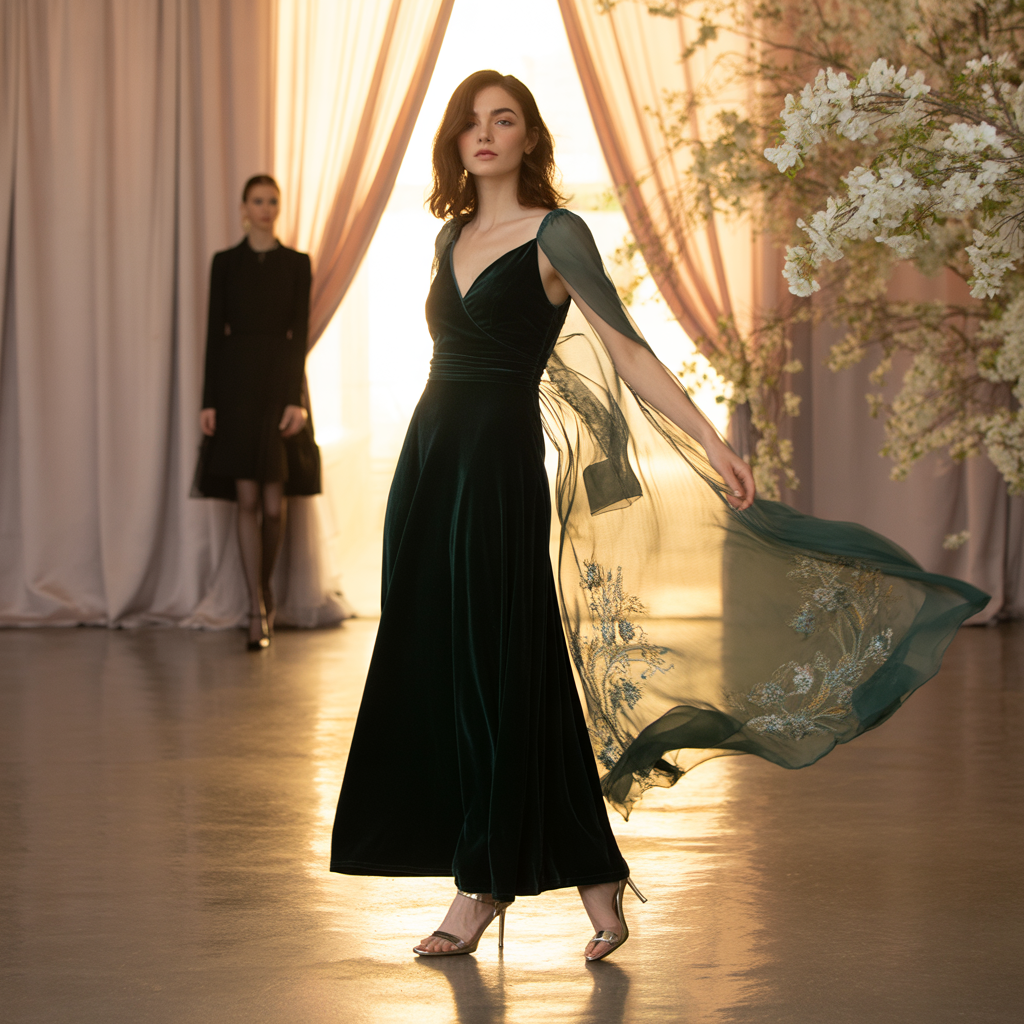
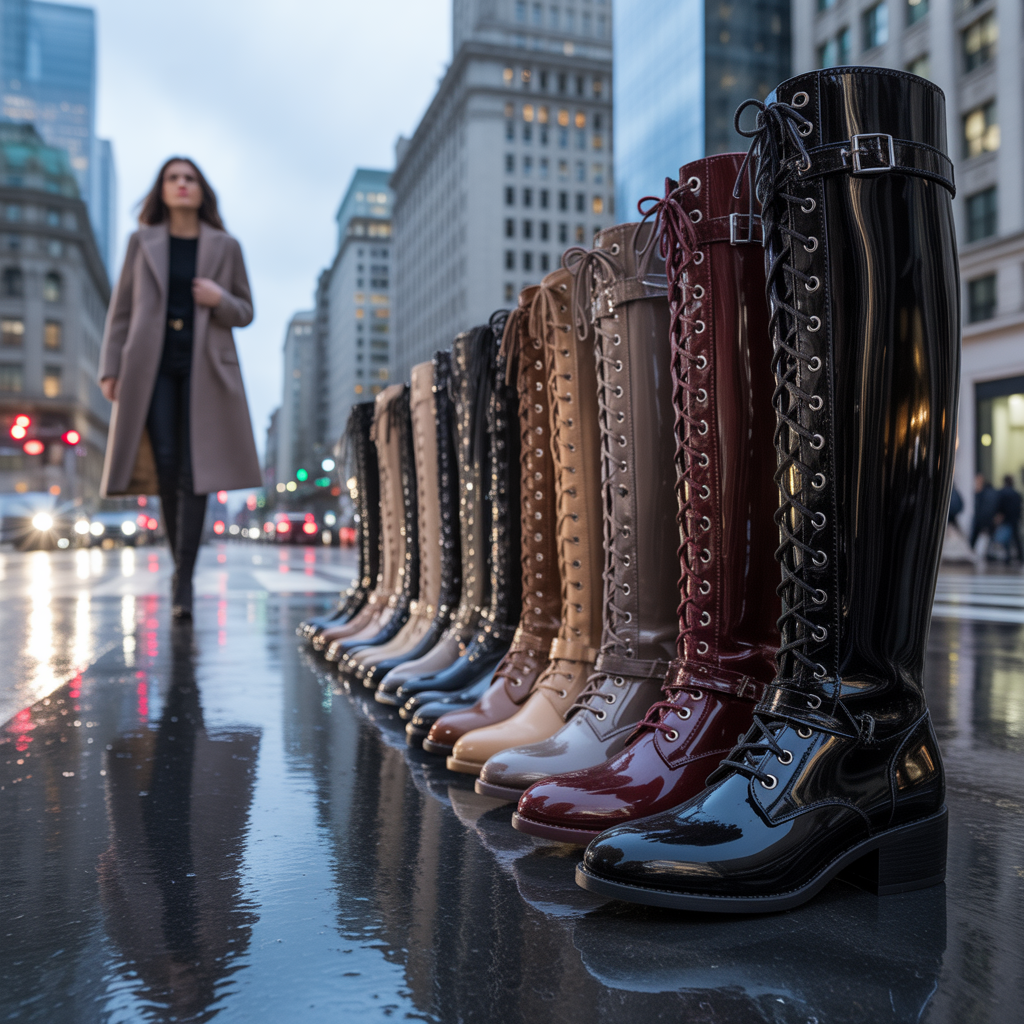
Good work attire for women starts with your office’s dress code, then builds on a small set of well-fitting basics: a tailored blazer, neutral trousers, a sheath or wrap dress, a few blouses or fine knits, and comfortable shoes you can walk in. Mix those pieces and you have two weeks of outfits that look polished for meetings and still feel comfortable at 5pm. This guide explains the main dress codes, a capsule work wardrobe, outfit formulas, fit and fabric checks, and how to handle tricky situations like interviews, remote work and hot commutes.

Why Thoughtful Work Attire Matters
What you wear is part of how colleagues and clients read you before you say a word. Clothes that fit and suit the setting let you stop thinking about your outfit and focus on the work. They also make mornings easier: when every piece in your work wardrobe goes with most of the others, getting dressed takes minutes rather than a pile of rejected options on the bed. If you are working in a formal environment, our guide to business attire for women goes deeper into suiting.

Work Dress Codes Explained
Dress codes vary by industry, company and even team. If you are unsure, check the employee handbook, look at what senior colleagues wear on ordinary days, or ask HR. The table below is a general guide.
| Dress code | Typical workplaces | What it usually includes | Usually avoid |
|---|---|---|---|
| Business formal | Law, banking, senior client-facing roles | Matching suit (trousers or skirt), blouse or shell, closed-toe pumps or smart flats | Bright prints, casual knits, sneakers |
| Business professional | Corporate offices, consulting, government | Blazer with trousers or skirt, sheath dresses, tailored separates | Denim, very casual footwear |
| Business casual | Most offices, tech, education, healthcare admin | Chinos or trousers, blouses, knitwear, dresses, optional blazer, loafers | Ripped jeans, athletic wear, flip-flops |
| Smart casual / creative | Media, design, startups | Dark jeans with a blazer, printed tops, jumpsuits, clean sneakers | Anything that looks unwashed or worn out |
Corporate or formal
Stick to structured blazers, trousers or knee-length skirts and minimal jewelry. Keep the palette neutral (navy, charcoal, black, camel) with one subtle accent, such as a soft blush or ivory blouse under a charcoal suit.

Business casual
Mix tailored pieces with softer ones: cropped trousers with a fine-knit sweater and loafers, or a midi skirt with a patterned blouse. Texture keeps it interesting, so try crepe, ponte, lightweight wool or cotton poplin.
Creative or casual
Color, prints and statement accessories are welcome, but clean lines keep it professional. Dark jeans with a blazer and heeled ankle boots is a reliable formula; our guide to dress jeans shows how to keep denim office-appropriate.

Work Wardrobe Essentials: A Capsule Approach
Pick two or three neutrals that work together (for example navy, gray and ivory, or black, camel and white) and buy core pieces in those colors. Then add color through blouses, scarves and shoes.
- Tailored blazer: navy, black or soft gray, fitted at the shoulder with sleeves ending at the wrist bone.
- Two pairs of trousers: one straight or wide-leg, one slim or tapered, in neutral colors.
- A sheath or wrap dress: works alone or under a blazer or cardigan.
- A pencil or midi skirt in a neutral fabric.
- Three to five tops: a white shirt, a silk or satin-look blouse, a printed blouse and one or two fine-knit sweaters or shells.
- Shoes: a low block heel or pump, a smart loafer or pointed flat, and weather-appropriate boots.
- Layers: a trench or wool coat and a lightweight cardigan for air-conditioned offices.

Outfit formulas to try this week
- Monday: blazer, silk blouse, tapered trousers and low pumps for a client-ready look.
- Tuesday: wrap dress, thin belt and ankle boots.
- Wednesday: knit sweater, pencil skirt and sleek flats for comfort with structure.
- Thursday: sheath dress with the same blazer from Monday. See more ideas in our dress and blazer outfit guide.
- Friday (business casual): printed blouse, straight dark jeans and loafers.

Fit, Fabrics and Maintenance
Fit is what makes inexpensive clothes look expensive. A few quick checks in the fitting room:
- Blazer: shoulder seams sit at the edge of your shoulder, and it buttons without pulling into an X across the front.
- Trousers: no pulling across the hips; hem length suits the shoes you plan to wear most.
- Blouses: buttons lie flat across the bust without gaping. Sizing up and tailoring the waist often works better than squeezing into a smaller size.
- Skirts and dresses: sit, bend and reach in them. If they ride up or feel restrictive, they will distract you all day.
For fabrics, wool blends, ponte knit, crepe and good-quality polyester blends resist wrinkles on long days and commutes. Cotton and linen breathe well in summer but crease quickly. Steam rather than iron for quick refreshes, hang blazers on shaped hangers, and rotate pieces so each gets a rest between wears.

Special Situations
Job interviews
Dress one step more formal than the company’s everyday code. For a business casual office, that usually means tailored trousers or a dress with a blazer. Try the full outfit on a day or two beforehand, including shoes, so nothing surprises you.
Video calls and hybrid work
Solid colors and simple necklines look best on camera; very fine stripes or small checks can flicker. Keep a blazer or smart cardigan near your desk to put on for important calls.
Hot weather and commutes
Choose breathable fabrics, a sleeveless shell under a lightweight blazer you can remove, and commute in comfortable shoes, keeping office shoes at your desk.

Hair, Makeup and Finishing Touches
- Skin: a gentle cleanser, moisturizer and daily SPF give an even base. A tinted moisturizer or light foundation is plenty for most offices.
- Makeup: groomed brows, neutral eyeshadow, mascara, cream blush and a muted lip hold up through long meetings.
- Hair: low buns, sleek ponytails or soft waves look professional and last all day.
- Jewelry: a pair of studs and one statement piece, such as a cuff or pendant.
- Bag: a structured tote that fits a laptop and stands up on its own.

Building a Work Wardrobe on a Budget
You do not need to buy everything at once. Start with the pieces you will wear most often, usually trousers, a blazer and comfortable shoes, and fill gaps over a few months. Think in cost per wear: a well-made blazer worn twice a week for several years works out far cheaper per wear than a bargain one that loses its shape after a season.
- Shop your own closet first. Many casual pieces, such as a plain knit or dark jeans, already work in a business casual office.
- Look at secondhand and consignment shops for blazers and wool trousers, which are often donated in good condition.
- Budget a small amount for tailoring. Hemming trousers or taking in a waist is usually inexpensive and transforms how a piece looks.
- Buy trend pieces, like a bold print or a seasonal color, at lower price points and keep your core basics classic.
Common Work Outfit Mistakes
- Clothes that are too tight or too loose, which look sloppy and feel uncomfortable by lunchtime.
- Visible wear: pilling knits, scuffed shoes, fading black trousers and loose hems.
- Brand-new shoes on a big day before you have broken them in.
- Ignoring the temperature. Offices are often cooler than expected, so keep a layer handy.
Make It Your Own
Professional does not have to mean anonymous. If you are cautious with color, start with a silk scarf or colored shoe. If you love prints, anchor them with plain neutrals. A signature blazer cut, a favorite lipstick shade or a go-to pair of earrings can become your trademark over time.
Frequently asked questions
What is appropriate work attire for women?
It depends on the dress code. Formal offices expect suits or tailored separates in conservative colors; business casual allows blouses, trousers, knitwear and dresses; creative workplaces welcome color, prints and dark denim as long as the look is neat.

How many pieces do I need for a work capsule wardrobe?
Around 12 to 15 coordinated pieces, including a blazer, two trousers, a skirt, a dress, four or five tops and two or three pairs of shoes, can create two weeks of different outfits.
Are heels required for professional work attire?
Usually not. Smart flats, loafers and low block heels are widely accepted. Check your workplace dress code and any safety requirements, and choose footwear you can wear comfortably all day.
Can women wear jeans to work?
In many business casual and creative offices, yes. Choose dark, well-fitting jeans without rips and pair them with a blazer or smart blouse. Formal offices usually do not allow denim.
How can I make outfits last through a long workday?
Choose wrinkle-resistant fabrics, layer with a blazer or cardigan, and keep a small kit at your desk with blotting papers, lip color, a lint roller and spare shoes.

Focus on fit, invest in a handful of quality basics, and keep your beauty routines simple, and your work wardrobe will carry you from the boardroom to the brainstorm with ease.