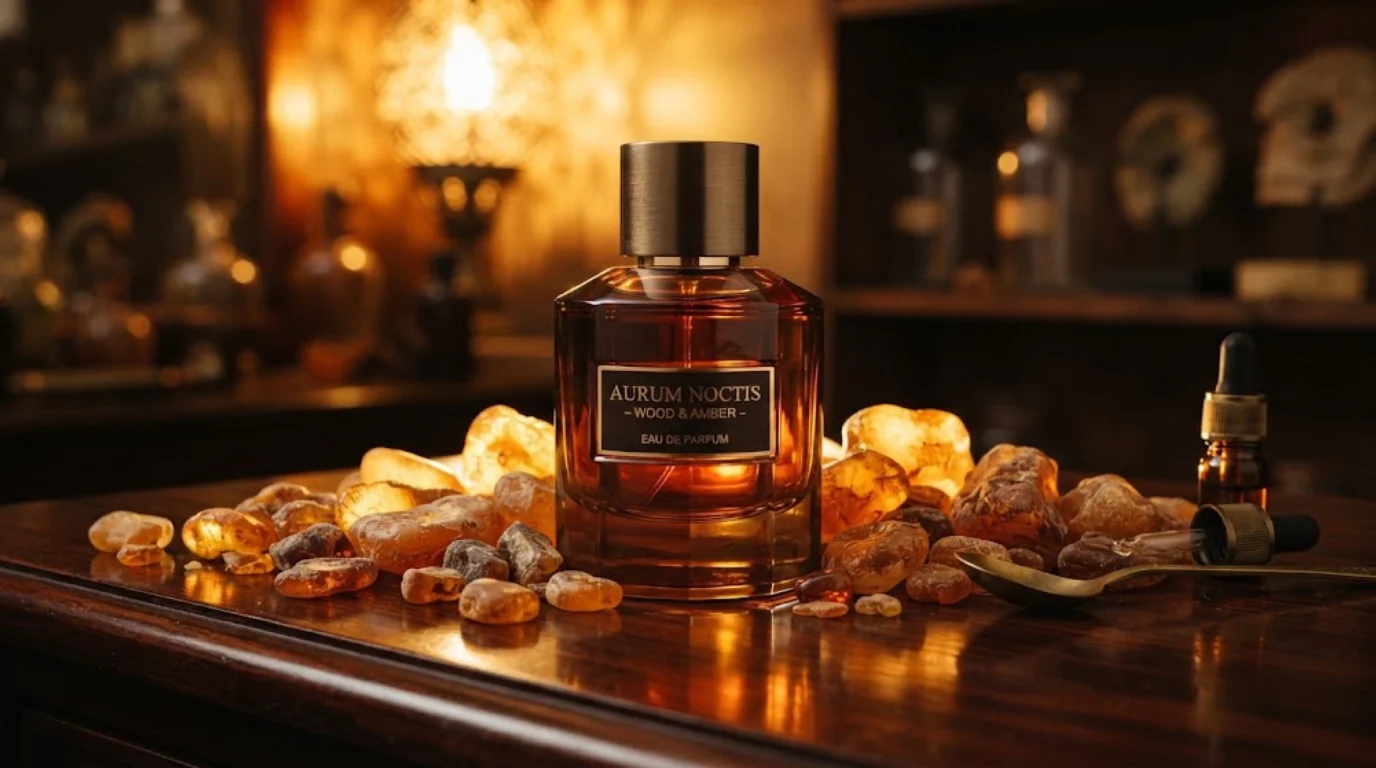
A woody amber fragrance combines grounded woods with warm, resinous amber effects. The result can feel smooth, dry, smoky, creamy, or softly sweet. It suits people who want warmth without losing structure or depth.
Direct answer: A woody amber fragrance smells warm, grounded, and softly resinous, with woods taking a leading role. Sandalwood, cedar, patchouli, vetiver, or oud often create structure. Amber accords add warmth through vanilla, resins, musk, spice, or modern amber materials, depending on the formula.
| Fragrance feature | What to expect |
|---|---|
| Main character | Warm, woody, deep, polished |
| Common woods | Sandalwood, cedar, patchouli, vetiver, oud |
| Common amber notes | Vanilla, labdanum, benzoin, resins, musk |
| Sweetness level | Usually moderate, but formulas vary |
| Best seasons | Fall and winter, plus cooler spring evenings |
| Best occasions | Date nights, dinners, events, evenings |
| Typical dry-down | Warm woods, resin, musk, or soft sweetness |
| Gender style | Commonly marketed as unisex, masculine, or feminine |
Key Takeaways
- Woods usually give the fragrance its main structure.
- Amber adds warmth, softness, sweetness, or resinous depth.
- Some versions feel creamy, while others smell dry or smoky.
- Cooler weather often helps deeper notes feel more comfortable.
- Skin chemistry can change sweetness, projection, and dry-down.
- Testing on skin is more useful than judging only from paper.
What Does a Woody Amber Fragrance Smell Like?
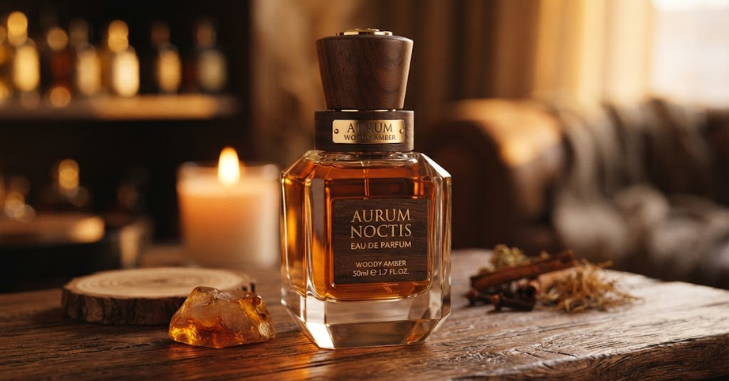
This scent family usually starts with a feeling of warmth and depth. You may notice smooth woods, dry earthiness, soft sweetness, or gentle smoke. The exact balance depends on which ingredients lead the composition.
Sandalwood can make the fragrance creamy and soft. Cedar may create a drier, cleaner effect with sharper structure. Patchouli can add earthy depth, while vetiver often brings a grassy or smoky dryness.
The Woody Amber Fragrance side does not come from the amber gemstone itself. In perfumery, amber usually describes an accord made to smell warm and resinous. Vanilla, labdanum, benzoin, musk, and related materials often create that impression.
Modern formulas may also use amberwood-style aroma materials. These can make the scent feel cleaner, brighter, or more diffusive. That means two perfumes from the same family can smell surprisingly different.
The Notes You Commonly Find in Woody Amber Scents
The easiest way to understand this family is to separate structure from warmth. Woods usually provide the backbone, while amber materials soften or enrich that structure. Spices, florals, fruits, and musks may support both sides.
Sandalwood
Sandalwood often smells creamy, smooth, and softly woody. It can make a perfume feel comforting without becoming sugary. Many warm fragrances use it to create a rounded base.
Cedar
Cedar usually feels drier and more architectural than sandalwood. It can add pencil-like dryness, clean woodiness, or a lightly smoky effect. This note works well when a perfume needs definition.
Patchouli
Patchouli can smell earthy, dark, woody, or slightly sweet. Its character changes dramatically depending on the formula. In amber compositions, it often adds depth and staying power.
Vetiver
Vetiver usually brings a dry, earthy, grassy, or smoky quality. It can keep warmer materials from feeling too sweet. That contrast often makes a fragrance feel more polished.
Vanilla, Benzoin, and Labdanum
These materials often create the warmer side of an amber accord. Vanilla can add sweetness, while benzoin may feel balsamic and smooth. Labdanum can contribute resinous, leathery, or slightly smoky depth.
Woody Amber vs. Amber Woody: Is There a Difference?
The two descriptions often use similar ingredients, but emphasis can change. A wood-led scent usually feels drier and more structured first. A more amber-led scent often introduces warmth and resin before the woods become obvious.
Retailers and brands do not always use these terms consistently. One house may classify the same style differently from another. Treat the label as a clue rather than a strict technical rule.
If you prefer dry woods with warmth underneath, start with wood-led compositions. If you enjoy richer sweetness and resin with wood supporting it, try amber-led options. Sampling both styles makes the distinction much easier.
Is Woody Amber Sweet?
It can be sweet, but sweetness is not guaranteed. Vanilla, tonka bean, or benzoin can create a softer and sweeter profile. Cedar, vetiver, patchouli, incense, or oud can push the scent in a drier direction.
A perfume can also change noticeably after the opening fades. Bright spice or citrus may disappear within the first phase. The base can then become warmer, darker, and smoother on skin.
If you dislike sugary perfume, check the note list before buying. Look for cedar, vetiver, incense, leather, or dry patchouli. Those notes often help balance richer amber materials.
When Should You Wear Woody Amber Perfume?
Cooler weather is a natural match for deeper woods and resins. Lower temperatures can make rich fragrances feel smoother and less overwhelming. Fall evenings and winter events are especially reliable settings.
That does not mean the family only works in cold weather. Lighter blends can suit spring nights or air-conditioned indoor events. Use fewer sprays when heat or humidity increases.
For evening styling, woody scents pair well with polished fabrics and deeper colors. Defashionz’s Outfit Date guide offers ideas for coordinated date-night looks. The goal is balance, so the fragrance supports your outfit instead of dominating it.
Summer evenings need a lighter approach because heat increases diffusion. Defashionz’s Elegant Summer Evening Outfits guide can help you build a refined warm-weather look. Choose a softer concentration or reduce your usual spray count.
How to Match Woody Amber With Your Personal Style
Fragrance works best when it feels connected to your clothes and grooming. Warm woods often suit neutrals, leather, suede, denim, black, camel, olive, and chocolate tones. Those colors echo the grounded mood without looking overly coordinated.
You can also connect your scent with warmer makeup shades. Bronze, copper, caramel, and terracotta create a similar visual mood. Defashionz’s Warm Makeup and Nails guide offers practical combinations using those tones.
Minimal outfits can benefit from a richer fragrance profile. A black dress, tailored coat, or clean knitwear gives the scent room to become a focal point. More decorative outfits may work better with a softer application.
How to Choose the Right Bottle
Start by deciding whether you prefer dry, creamy, smoky, or sweet fragrances. That single preference can eliminate many unsuitable options. Notes matter more than gender labels printed on the bottle.
Next, check which woods appear in the base. Sandalwood often signals softness, while cedar suggests dryness. Vetiver and incense usually move the composition toward a sharper or smokier direction.
Then look at the amber materials. Vanilla and tonka often increase sweetness, while resins can feel darker. Musk may create a cleaner or softer skin-like finish.
Whenever possible, test on skin before buying. Paper strips show the opening, but they cannot fully predict the dry-down. Body heat, skin moisture, and individual chemistry can change the experience.
How to Test a Fragrance Properly
Spray once or twice on clean skin without scented lotion underneath. Let the fragrance settle before deciding whether you like it. The first minute rarely represents the final smell.
Check it again after about thirty minutes. Woods and resins often become clearer after brighter top notes fade. A later check can reveal whether the base feels smooth or tiring.
Wear the sample for several hours before purchasing a full bottle. Notice projection, comfort, sweetness, and how often you still enjoy smelling it. A fragrance can be impressive at first and exhausting later.
How Much Should You Apply?
Start with two or three sprays for an eau de parfum. Rich woods and amber materials can project strongly in enclosed spaces. You can add more later if the scent remains too quiet.
Apply to pulse points such as the neck or wrists. Avoid rubbing your wrists together after spraying. Friction can disrupt how the top notes develop.
Office settings require extra restraint because fragrance affects nearby people. One or two sprays may be enough in a small workspace. Stronger application is better reserved for open spaces or evening events.
Who Usually Likes This Fragrance Family?
People who enjoy sandalwood, cedar, patchouli, oud, vanilla, incense, or resin often feel comfortable here. The family can suit minimalist tastes as well as richer evening styles. Much depends on sweetness and concentration.
It may also appeal to shoppers who find fresh citrus scents too fleeting. Deeper base notes often remain noticeable longer than bright openings. Performance still varies by formula, skin, temperature, and concentration.
Do not assume every bottle will smell heavy or masculine. Many releases use smooth musks, vanilla, florals, or soft woods. Those additions can make the composition feel gentle and versatile.
Common Buying Mistakes to Avoid
Buying only because a fragrance is described as warm can cause disappointment. Warm scents range from creamy vanilla to smoky resin. Read the full note structure before choosing.
Another mistake is judging from the first spray. Alcohol and top notes can create a sharp opening that soon disappears. Give the perfume enough time to reach its base.
Overspraying is also common with richer fragrances. Nose fatigue can make you believe the scent disappeared. Other people may still smell it clearly when you cannot.
Finding a Scent That Fits You
The best choice is the one that still feels comfortable after several hours. Focus on the dry-down rather than the opening alone. Your favorite bottle should suit your routine, climate, clothing, and personal taste.
Start with samples whenever possible and compare them on different days. Notice whether you prefer creamy sandalwood, dry cedar, smoky vetiver, or richer resin. That simple comparison can make fragrance shopping far more predictable.
For more fragrance, fashion, and beauty inspiration, continue exploring Defashionz. Use your wardrobe and grooming style as clues when choosing a scent. A well-matched fragrance should feel like part of your look rather than an extra layer.
Frequently Asked Questions
What is a woody amber fragrance?
A woody amber fragrance combines noticeable wood notes with a warm amber accord. Common woods include sandalwood, cedar, patchouli, vetiver, and oud. Amber effects may come from vanilla, resins, musk, benzoin, labdanum, or modern aroma materials.
Is woody amber masculine or feminine?
The family itself has no fixed gender. Brands may market particular bottles toward men, women, or everyone. The supporting notes usually influence how masculine, feminine, or neutral a scent feels.
Does woody amber smell like vanilla?
Some versions include noticeable vanilla, but many do not. Dry woods, incense, patchouli, and vetiver can reduce sweetness. Always check the note list instead of assuming the profile.
Is woody amber good for summer?
It can work during summer, especially at night. Choose lighter compositions and use fewer sprays. Heavy resinous formulas may feel overpowering in high heat.
Does woody amber last a long time?
Many formulas emphasize base materials that can remain noticeable for hours. Still, longevity varies between fragrances and wearers. Concentration, climate, skin, and application all affect performance.
What season is best for woody amber perfume?
Fall and winter are usually the easiest seasons for richer versions. Cooler air often makes warm woods and resins feel balanced. Lighter interpretations can work across the year.