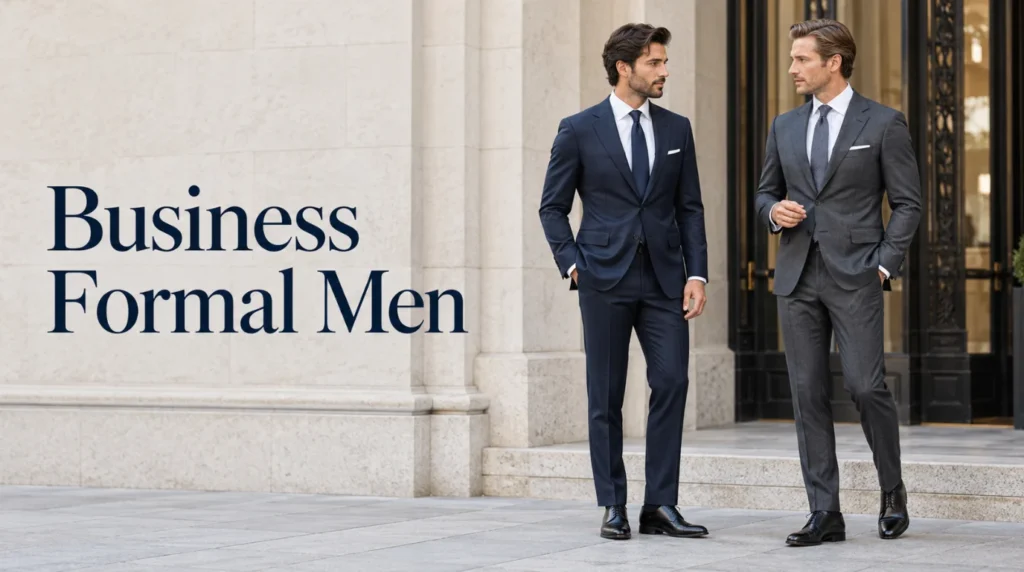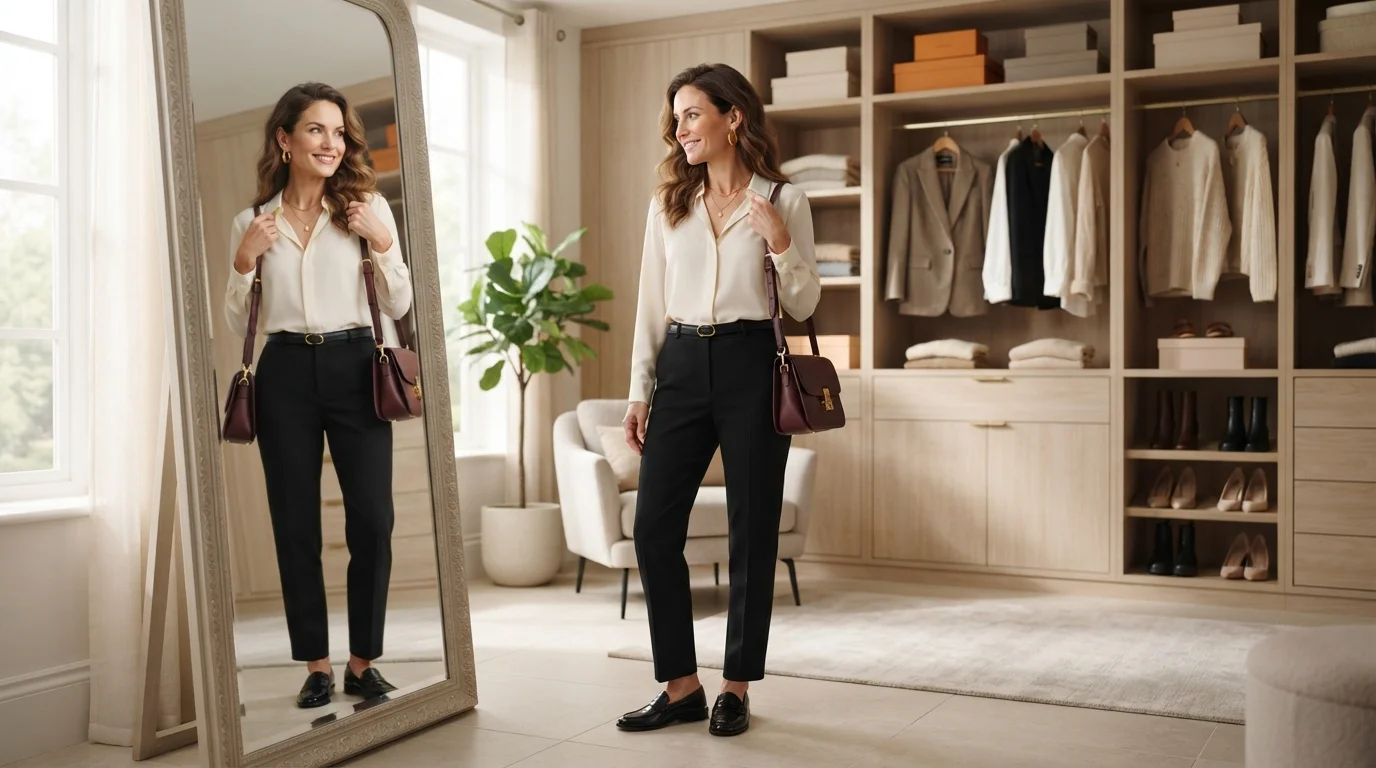
Learning how to accessorize outfits can make familiar clothes feel fresh without rebuilding your wardrobe. The trick is choosing details that support your clothing instead of competing with it. A polished look usually needs fewer accessories than you expect. Good balance matters more than price, brand, or trend.
Start with your clothes, then decide what the outfit needs most. Choose one focal accessory and keep supporting pieces quieter. Match the mood, proportions, and colors rather than making everything identical. Finish with practical shoes and a suitable bag. If the look feels crowded, remove one piece before leaving.
| Styling decision | Simple rule | Easy example |
|---|---|---|
| Focal point | Let one accessory lead | Bold earrings with simple jewelry |
| Jewelry | Match scale to the neckline | Pendant with a plain crew neck |
| Bag | Match the occasion and mood | Structured tote for work |
| Shoes | Use them to set formality | Sneakers casual, loafers polished |
| Belt | Add shape when useful | Slim belt over a loose dress |
| Color | Repeat or contrast intentionally | Burgundy bag with neutral clothing |
| Prints | Keep supporting pieces quieter | Small hoops with a printed blouse |
| Final edit | Remove competing details | Skip necklace with statement earrings |
How to Accessorize Outfits in 9 Simple Steps
Accessories work best when you add them in a clear order. Starting randomly can create competing colors, shapes, and focal points. A repeatable method also makes getting dressed faster. Use these nine steps whenever an outfit feels unfinished.
1. Finish the Base Outfit First
Put on your clothing before reaching for jewelry, belts, or scarves. Check the silhouette, colors, neckline, and overall level of formality. Notice whether the clothes already contain a strong pattern or detail. That information tells you how much visual interest you can safely add.
Busy clothing usually needs quieter finishing pieces. Simple clothing gives you more room for color, texture, or statement jewelry. This approach also helps prevent unnecessary accessories. It keeps the clothing and finishing details working together.
For broader wardrobe coordination, Defashionz’s outfit styling guide offers useful outfit formulas. It covers work, weekend, and evening combinations. Those formulas can become your base before adding accessories.
2. Decide What the Outfit Needs
Ask what feels missing before adding anything. A loose outfit may need structure from a belt or firm handbag. A neutral outfit may benefit from color near your face. A dressy look might need polished shoes rather than more jewelry.
Try to solve one styling problem first. This keeps every accessory purposeful instead of decorative clutter. It also creates a clearer visual hierarchy. Your finished look should feel intentional from a distance.
3. Pick One Main Focal Accessory

Choose one item you want people to notice first. It could be statement earrings, a bright handbag, patterned scarf, bold belt, or distinctive shoe. Keep nearby accessories quieter when that piece has strong visual weight. Two competing statement pieces often make an outfit feel busier.
Your focal point can also change the personality of basic clothing. White jeans and a simple top feel different with colorful earrings. The same base becomes classic with pearls and loafers. One strong choice can do most of the styling work.
This principle appears repeatedly across current accessorizing guides. Recent fashion articles favor one leading element with supporting accessories kept more restrained.
4. Choose Jewelry That Works With the Neckline
Look at your neckline before choosing a necklace. Open necklines give necklaces room to become visible. Detailed collars, ruffles, or embellishment often work better without one. Earrings can provide interest without crowding the neckline.
Scale also changes the result. Small jewelry feels light and subtle with minimal clothing. Chunkier pieces add weight to plain outfits. Let one larger jewelry piece lead while the others remain simpler.
If you’re styling a dress, Defashionz’s dress accessories guide covers neckline and occasion choices. It also discusses bags, belts, shoes, and scarves. That makes it useful for wedding guests and evening outfits.
5. Use Your Bag to Set the Mood
A handbag does not need to match your shoes exactly. It should support the outfit’s formality, color story, and practical needs. Structured bags generally feel sharper than soft totes. Crossbody bags usually make an outfit feel more relaxed.
Think about function before appearance alone. A tiny bag can look stylish but fail during a busy workday. A large tote may feel awkward with formal evening clothing. Choose a size that fits both the event and your essentials.
Color gives you two easy approaches. Pick a neutral bag when another accessory already leads. Choose a colored bag when the clothing needs one stronger accent. Both approaches can create a balanced finish.
6. Let Shoes Control the Formality
Shoes can change an outfit faster than most accessories. Jeans and a blazer feel relaxed with sneakers. The same pieces become smarter with loafers or pumps. Boots can add visual weight and seasonal texture.
Start with comfort and practicality. Consider walking distance, weather, surfaces, and how long you’ll wear the shoes. Style matters less when uncomfortable footwear changes how you move. A polished outfit should still function in real life.
7. Add a Belt Only When It Has a Job
Belts can create shape, connect colors, or break up a long silhouette. They work well over dresses, oversized shirts, blazers, and high-rise trousers. You do not need one with every outfit. Add a belt when it improves proportion or adds useful contrast.
Width affects the visual result. Slim belts usually feel subtle and polished. Wider belts draw more attention and create stronger waist definition. Let the clothing shape determine which option feels balanced.
For more ideas about developing consistent styling choices, read the Defashionz outfit aesthetic guide. It explains how colors, silhouettes, and details work together. That foundation makes accessory choices easier over time.
8. Coordinate Colors Without Matching Everything
Exact color matching can make an outfit feel overly planned. Instead, repeat a color once or use shades from the same family. A brown bag can work with camel shoes without being identical. Silver jewelry can also sit comfortably beside cool gray clothing.
Neutral clothing gives you room to experiment. Try a colorful scarf, vivid bag, or bright earrings against black, navy, cream, or denim. Printed clothing needs a more controlled approach. Pull one smaller color from the print for an accessory.
Texture can provide interest without adding another color. Suede, woven leather, polished metal, silk, and tortoiseshell each change the mood. This technique works especially well with monochrome clothing.
9. Do a Final Outfit Check and Edit
Stand in front of a full-length mirror before leaving. Look first at the complete silhouette instead of examining each accessory separately. Identify anything that steals attention from your chosen focal point. Remove pieces that repeat the same styling job.
Try viewing the outfit in a phone photo too. Photos can reveal competing details more clearly than a mirror. Check comfort, bag size, and shoe practicality during this step. The finished look should feel balanced from head to toe.
Defashionz’s outfit check guide provides a useful final inspection routine. It covers silhouette, color, movement, and finishing touches. That makes it a practical companion to this accessorizing method.
Easy Accessory Formulas for Different Occasions
You do not need completely different rules for every event. Change the formality and scale while keeping the same basic method. One focal point should still lead the outfit. Supporting details should remain practical and balanced.
| Occasion | Jewelry | Bag | Shoes | Extra detail |
|---|---|---|---|---|
| Casual weekend | Small hoops or chain | Crossbody | Sneakers | Sunglasses |
| Office | Studs or watch | Structured tote | Loafers | Slim belt |
| Date night | Statement earrings | Small shoulder bag | Heels or boots | Delicate ring |
| Wedding guest | Earrings or bracelet | Clutch | Dressy flats or heels | Light scarf |
| Travel | Minimal jewelry | Secure crossbody | Comfortable sneakers | Sunglasses |
| Evening event | One bold jewelry piece | Compact clutch | Dress shoes | Polished hair accessory |
These formulas are starting points rather than rigid rules. Personal style should shape the final choices. You can swap colors, metals, and textures while keeping each outfit balanced. Repeating the formula also helps you discover which accessories earn regular wear.
How to Avoid Over-Accessorizing
Over-accessorizing usually happens when several pieces demand equal attention. A statement necklace, large earrings, bold belt, bright bag, and dramatic shoes can compete. Remove one or two elements until your eye knows where to look. The strongest piece should have room around it.
Busy prints need less extra decoration than simple basics. Detailed necklines may eliminate the need for necklaces entirely. A bright handbag can replace colorful jewelry. Styling becomes easier once every accessory has a specific purpose.
You also do not need an arbitrary accessory count. Scale, contrast, and placement matter more than the number itself. Five subtle pieces can look quieter than two oversized ones. Judge the complete effect rather than counting individual items.
Build a Small Accessory Collection That Works Hard
Start with pieces you can wear across several outfits. Useful basics include small earrings, a simple necklace, a neutral belt, and a practical everyday bag. Add shoes that cover your common levels of formality. Then choose one or two stronger pieces that reflect your personality.
Buy accessories based on your existing wardrobe instead of imagined outfits. Look at the colors, necklines, fabrics, and occasions you wear most often. A versatile piece should work with several items you already own. That test can prevent impulse purchases with limited styling options.
Storage also affects how often accessories get worn. Keep jewelry untangled and bags visible when possible. Store belts where you can compare them quickly. Easy access turns finishing touches into a habit instead of an afterthought.
Frequently Asked Questions
How do I learn how to accessorize outfits without looking overdone?
Start with one focal accessory and make everything else quieter. Check the outfit as one complete look before leaving. Remove anything competing with your main focal point. This simple edit works across casual, work, and evening dressing.
Should my bag and shoes match?
They do not need identical colors or materials. They should look compatible in formality and general mood. Similar color temperatures can help create connection. Intentional contrast can work equally well with simple clothing.
Can I mix gold and silver jewelry?
Yes, mixed metals can look intentional when you create a clear connection. A two-tone watch or ring can bridge gold and silver pieces. Keep the combination repeated rather than completely random. You can also choose one metal as the dominant finish.
What accessories make a basic outfit look better?
Start with shoes, a bag, and one visible detail. That detail might be earrings, a belt, scarf, watch, or sunglasses. Choose something that adds color, structure, or texture. Basic clothing gives statement pieces more space to stand out.
How many accessories should I wear at once?
There is no universal number that works for every outfit. Visual weight matters more than quantity. Several delicate pieces can feel calmer than two oversized ones. Stop adding accessories once the outfit has a clear focal point.
Make Accessories Work With Your Wardrobe
Accessorizing becomes easier when every piece has a clear purpose. Start with your clothing, choose one focal detail, then add quieter support. Check color, scale, function, and formality before making the final edit. These habits can make repeated outfits feel more considered.
You do not need a large accessory collection to create variety. A small set of useful pieces can support casual, professional, and dressy clothing. Try the nine-step method with an outfit you already wear often. Change only the accessories and compare how different the finished look feels.
—–