
Have you ever stood in front of your closet, wishing for a dress that fits like it was made just for you — not too tight in the bust, perfectly nipped at the waist, and the length that finally flatters your legs? That’s the exact magic of dress sewing patterns: they let you design garments that reflect your style, your measurements, and your mood. Whether you prefer vintage vibes, modern minimalism, or a bold party look, sewing your own dresses turns fashion frustration into creative confidence.
Why choose dress sewing patterns?
Sewing patterns for dresses give you control over fit, fabric, and finish. Instead of hunting for “the one” in stores, you can customize a pattern to your proportions and taste — from A-line sundresses and wrap dress patterns to fitted sheath and fit-and-flare dresses. With paper patterns, printed PDF dress patterns, or vintage patterns, you’ll find styles suitable for beginners and advanced sewists alike.
Benefits at a glance
- Perfect fit: Adjust the bodice, waist, and hem for your shape.
- Endless customization: Change necklines, sleeve lengths, and pockets.
- Sustainable style: Upcycle fabrics and avoid fast-fashion waste.
- Learnable craft: Beginner dress sewing patterns help you build skills quickly.
Common pattern types
- A-line and skater dresses — flattering for most body types.
- Wrap dresses — adjustable and chic.
- Shift and sheath dresses — sleek options for workwear.
- Fit-and-flare with princess seams — great for defined waists.
How to choose the right pattern for your body and style
Choosing the right pattern starts with honest measurements and an understanding of your personal silhouette. Take your bust, waist, and hip measurements and compare them to the pattern’s size chart — not your ready-to-wear size. Look for pattern illustrations and recommended fabrics to match the drape and structure you want.
Fabric choices and why they matter
Lightweight cotton and linen work beautifully for casual summer dresses, while crepe, silk, and rayon are better for flow and eveningwear. Structured fabrics like twill or ponte knit suit fitted dresses and tailored looks. If you’re working with a beginner sewing pattern, start with woven cotton — it’s easy to handle and press.
Practical fitting tips
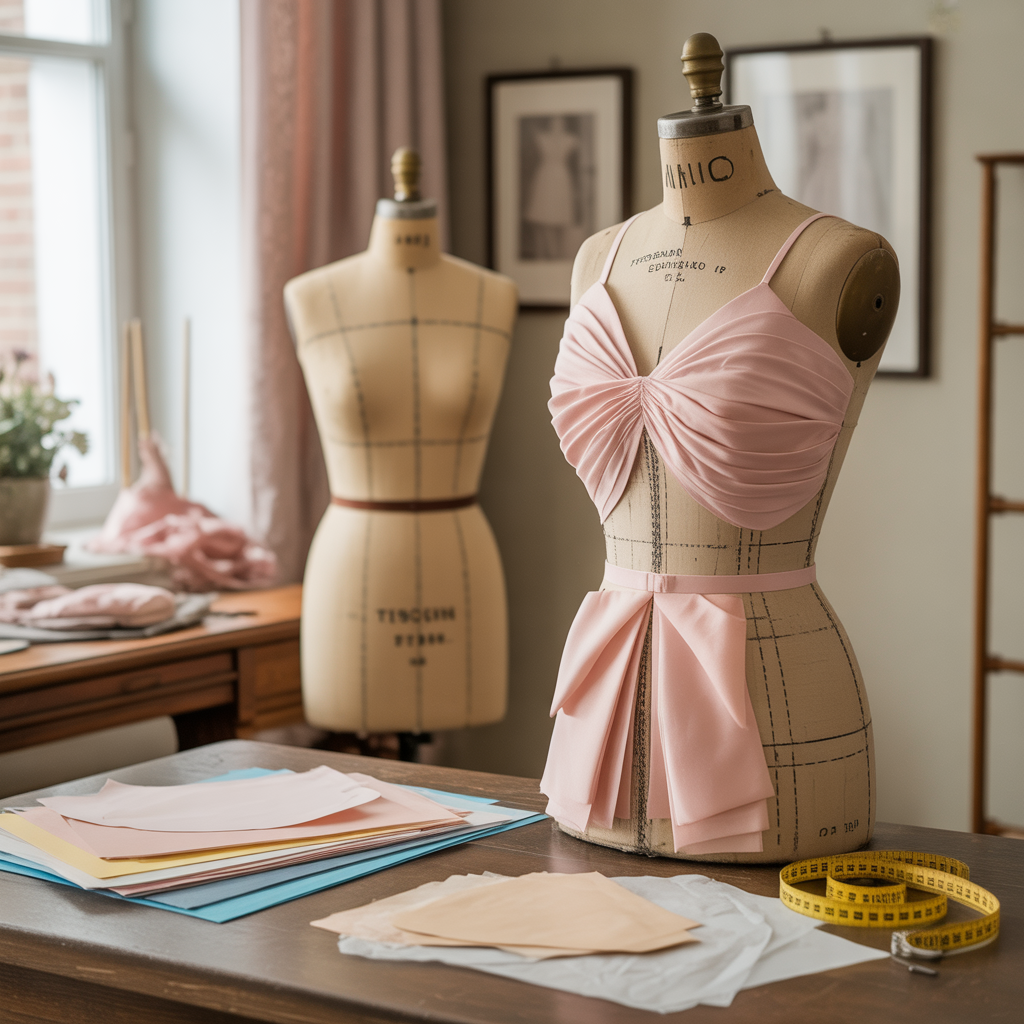
- Make a muslin (test garment) in inexpensive fabric to check fit.
- Adjust the bust dart, waistline, and shoulder width before cutting final fabric.
- Mark your natural waist and design lines on the fabric with tailor’s chalk.
- Consider length adjustments: hem where you’ll actually wear the dress (heels vs flats).
Dress Sewing Patterns: Step-by-step tips to sew and style
Once you’ve chosen a pattern, the sewing process can be meditative and empowering. Follow instructions, but don’t be afraid to personalize hems, add pockets, or change sleeves. Here are step-by-step tips to help your make look polished and professional.
Sewing and finishing tips
- Prewash and press your fabric to prevent future shrinkage.
- Use quality thread and the correct needle for your fabric type.
- Baste seams first to test fit, then finish edges with a serger or zigzag stitch.
- Press as you go — crisp seams transform any handmade garment.
How to style your handmade dress
Think about outfit combinations that extend the life of your dress. Pair a midi A-line with ankle boots and a cropped leather jacket for a cool, day-to-night look. A wrap dress is effortless with strappy sandals and delicate gold jewelry for summer brunches. For work, a sheath dress with low pumps and a structured tote reads polished and confident.
Makeup and hair to pair with your dress
Your makeup should complement the dress’s vibe. For bright, patterned dresses, keep makeup fresh and dewy: light coverage, a soft bronzer, and a nude or peach lip. For structured or monochrome dresses, a bold lip or winged liner adds instant glamour. A simple skincare routine before dressing up — gentle cleanse, lightweight moisturizer, SPF if day — helps your makeup sit smoothly. For more detailed routines, check our skincare tips and explore current makeup trends to coordinate your look.
Sewing patterns, sustainability, and upcycling vintage finds
If you love slow fashion, altering vintage dress patterns or upcycling thrifted fabrics is deeply rewarding. Adjusting a vintage pattern to modern measurements can give you one-of-a-kind silhouettes. Use leftover lining for pockets or repurpose an old silk scarf into binding for hems and necklines.
Tips for upcycling
- Check fabric condition: look for weak spots and repair before cutting.
- Blend old and new fabrics to maintain durability at stress points (shoulders, hems).
- Keep a small scrap basket — trims and bindings can become signature details.
Frequently Asked Questions
1. Where can I find good beginner dress sewing patterns?
Look for patterns labeled “beginner” or “easy” and those with clear step-by-step illustrations. PDF dress patterns are convenient for instant download, while printed patterns often include detailed cutting layouts. Local craft stores and pattern companies offer starter options that include basic A-line, shift, and wrap styles.
2. How do I adjust a pattern to fit my measurements?
Start by comparing your measurements to the pattern’s size chart. Make adjustments at the bodice and waist by grading between sizes if necessary. Use a muslin to test changes, then transfer successful alterations to the paper pattern. Learning to alter darts, add length, or change seam allowances is a skill that improves with practice.
3. What fabrics are best for first dress projects?
Begin with medium-weight woven cottons like quilting cotton or poplin. They’re stable, easy to press, and behave predictably when sewn. Once comfortable, try lightweight linens, stable knits with stretch, or more fluid fabrics like rayon for drapey styles.
Conclusion — Start sewing the dress that fits your life
Dress sewing patterns are a gateway to a wardrobe that truly reflects you — from everyday comfort pieces to statement dresses for special occasions. By choosing the right pattern, practicing fitting techniques, and pairing your creations with a simple skincare routine and thoughtful makeup, you’ll build confidence as both a maker and a style curator. Ready to try a beginner pattern this weekend or rework a vintage find? Explore our fashion guides, pick a pattern, and sew a dress that celebrates your unique shape and style.
Call to action: Share a photo of your first handmade dress or leave a comment below telling us which pattern you want to try next — I can help you choose fabrics and styling ideas!