
Picture this: you’ve got an invite to a last-minute dinner or a weekend brunch and you stand in front of your wardrobe thinking, “Which dress should I wear?” We’ve all been there—scrolling through saved photos, pinned looks, and outfit screenshots trying to pull together the perfect vibe. A smart dress reference system changes that panic into confidence. As a women’s beauty and fashion blogger, I’ll walk you through building a go-to dress library, pairing the right skincare and makeup, and styling outfits that feel effortless every time.
Why You Need a Dress Reference (and How It Saves Time)
Think of a dress reference as a visual cheat-sheet: a curated collection of styles, silhouettes, colors, and real-life outfit combos that flatter your figure and suit your lifestyle. Instead of re-inventing the wheel for every occasion, you’ll rely on proven looks tailored to your preferences—saving time and reducing decision fatigue.
How to Build a Dress Reference — Your Personal Outfit Bible
Start simple. Here’s a step-by-step method to create a functional dress reference you’ll actually use:
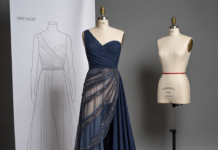
- Collect inspiration: Save screenshots of dresses you love, celebrity moments, and street-style images. Group by occasion: casual, office, date night, wedding guest.
- Annotate details: Note fabric, cut, length, heel height, and accessories. This helps you recreate looks with pieces you already own.
- Organize by body shape and color palette: Create folders like “A-line for pear shape” or “Monochrome neutrals.”
- Test and refine: Try the outfit, take photos, and add what worked to your reference. Over time you’ll detect patterns—silhouettes and colors that always flatter you.
Pick the Right Dress for Your Body Type
Understanding silhouettes is central to a useful dress reference. Here’s a quick guide:
- Hourglass: Embrace wrap dresses and belted waists to highlight curves.
- Pear-shaped: A-line and fit-and-flare styles balance hips and define the waist.
- Apple-shaped: Empire waists and shift dresses create a longer torso and skim the midsection.
- Rectangle: Add structure with peplum or ruffle details and dresses that create curves.
Fabric, Color, and Pattern Tips for Your Dress Reference
Fabric and color dramatically change the mood of a dress. Include these notes in your reference:
- Lightweight fabrics (linen, cotton): Perfect for daywear and casual events.
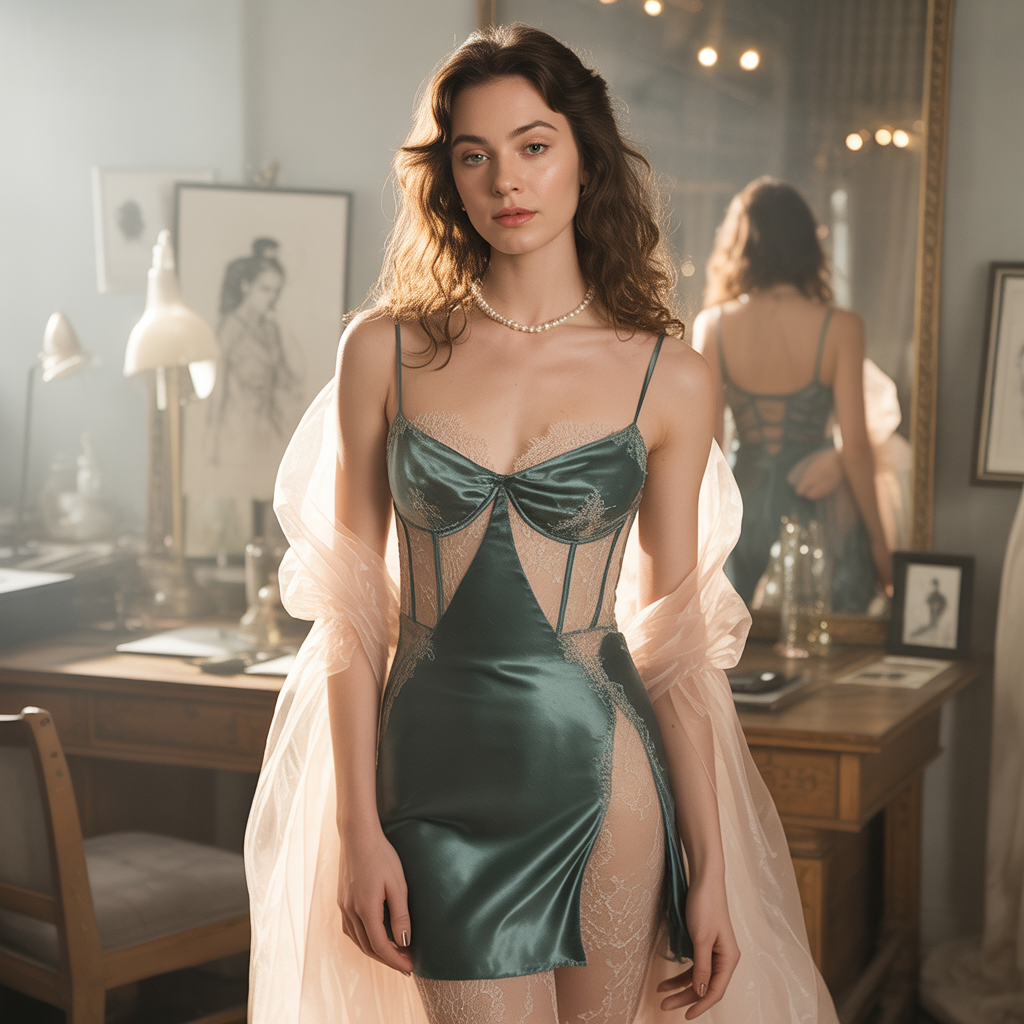
- Silk, satin, charmeuse: Elevate dresses for evening and date nights.
- Bold prints vs. solids: Solid colors create a clean canvas for accessories; prints can be a focal point—choose scale wisely (small prints flatter smaller frames).
- Color theory: Build palettes around your skin tone—warm neutrals for warm undertones, cool tones for cooler undertones, and jewel tones for universal appeal.
Skincare and Makeup to Complement Your Dress
Your skin and makeup are the finishing touches that complete any dress look. Follow a simple routine that enhances the dress without overpowering it.
Quick daytime skincare routine
- Cleanse with a gentle gel or cream cleanser.
- Apply a lightweight vitamin C serum for brightness.
- Moisturize with a balanced hydrator and SPF 30+.
Evening glow-up skincare
- Double-cleanse if you’ve worn makeup.
- Use a hydrating serum (hyaluronic acid) and a richer night cream.
- Apply a targeted eye cream for instant smoothness before makeup.
Makeup suggestions
Match your makeup intensity to the dress and occasion. For a floral daytime dress, go fresh-faced: tinted moisturizer, peachy blush, and a glossy lip. For a sleek black dress, opt for a bold lip or smokey eye—but not both. See more on related makeup trends for seasonal ideas and how to adapt runway looks to real life.
Outfit Combinations and Accessories That Make the Dress
Don’t underestimate the power of shoes and layering. Add these combos to your dress reference:
- Casual day: Midi cotton dress + white sneakers + denim jacket.
- Office-ready: Sheath dress + pointed flats or low block heels + structured blazer.
- Date night: Slip dress + strappy heels + statement earrings.
- Wedding guest: Floral midi + delicate sandals + clutch and a soft wrap.
Layering for all seasons
Keep these in your dress reference to extend wear across seasons: leather jackets, trench coats, chunky knits, tights, and ankle boots. A good tailor and strategic layering extend a dress’s life and versatility.
Practical Care and Tailoring Tips
A fitted dress looks polished. Add these care rules to your reference:
- Always check the care label—many delicate fabrics require hand-washing or dry cleaning.
- Invest in tailoring: hemming and waist adjustments make off-the-rack pieces feel custom.
- Store dresses on quality padded hangers to maintain shape, and keep seasonal items in breathable garment bags.
Real-World Examples: Dress Reference for Common Events
Populate your library with concrete looks so you’re never stuck:
- Brunch with friends: Shirt dress + loafers + straw bag.
- Client meeting: Knee-length sheath + blazer + minimal jewelry.
- Night out: Wrap dress + heels + bold lip.
Frequently Asked Questions
1. What is a dress reference and how do I start one?
A dress reference is a curated visual and written collection of dresses, silhouettes, and outfit pairings that work for your lifestyle and body. Start by taking photos of outfits you love, tagging details (fabric, fit, occasion), and organizing them into folders or a digital mood board.
2. How many dresses should I keep in my closet?
Quality over quantity wins. Aim for a versatile capsule: 2-3 casual day dresses, 2 work-appropriate dresses, 2 evening/date dresses, and 1 special-occasion piece. Adjust based on your lifestyle and frequency of events.
3. How do I match makeup to different dresses?
Let the dress set the tone. For bold or patterned dresses, keep makeup neutral and polished. For solid, classic dresses (little black dress, red slip), pick one focal point—either a statement eye or bold lip. Use your dress reference to note go-to makeup combos that worked well.
Final Thoughts: Make Your Dress Reference Work for You
Creating a dress reference is like building a personal style manual: it transforms daily dressing from guesswork to a joyful ritual. Start small, add outfit photos, and include notes on skincare routines, makeup pairings, and tailoring details. If you want more beauty-focused routines to pair with your outfits, check out my skincare tips and explore the latest fashion guides to keep your wardrobe fresh and functional.
Ready to turn your closet into a curated lookbook? Start today: pick one dress you love, photograph it styled three ways, and add those entries to your dress reference. Share your progress or ask for styling help in the comments—I’d love to help you refine your signature look.