
Have you ever stood in front of your closet, imagining a dress that fits like a dream, flatters your shape, and expresses exactly who you are — only to realize it doesn’t exist? Whether it’s a vintage-inspired tea dress, a sleek sheath for work, or that perfect summer sundress, dress making lets you create garments that truly reflect your style. In this post I’ll share practical dress making tips, beauty and skincare routines that pair with your creations, outfit combinations, and makeup suggestions so your handmade dresses always look runway-ready in real life.
Why Dress Making Is the Ultimate Style Freedom
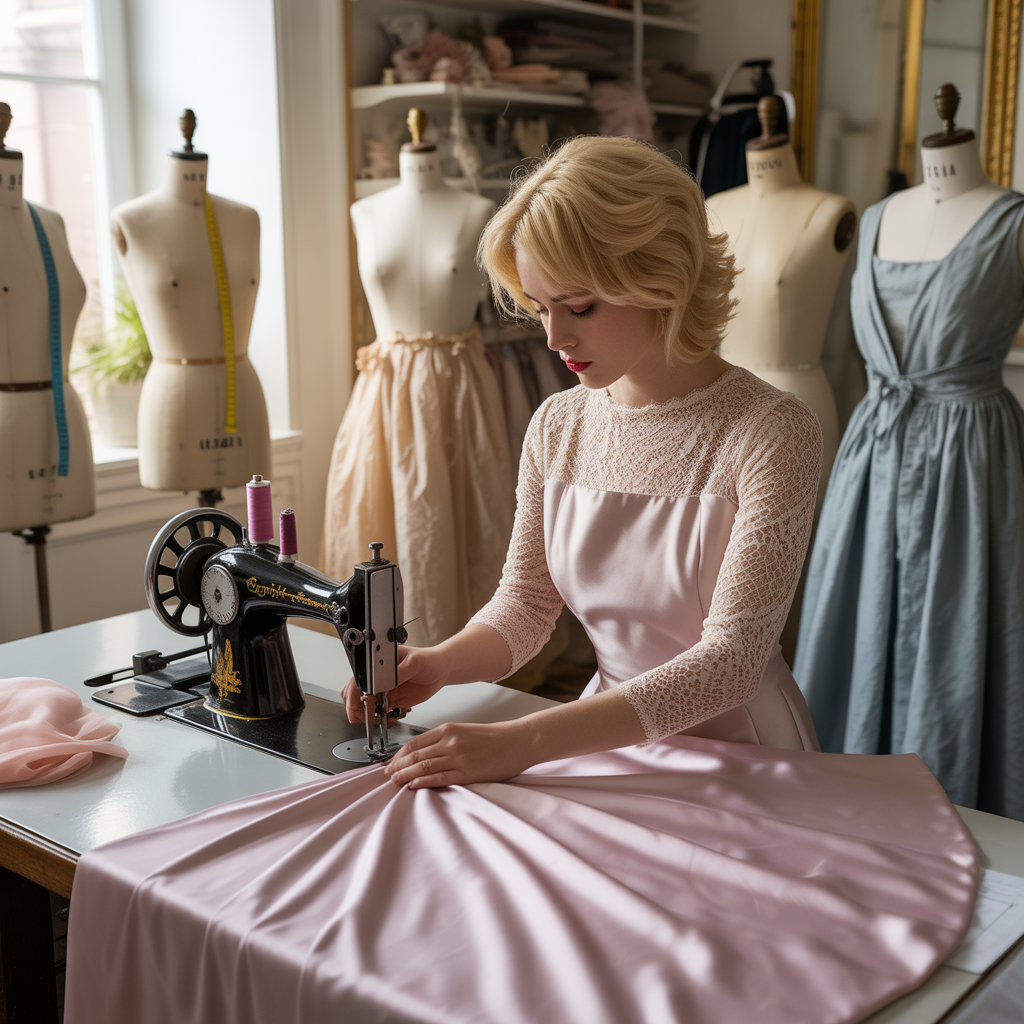
There’s something magical about turning fabric into a finished garment. Dress making (also called dressmaking or DIY dress making) gives you control over the fit, fabric, and details — from neckline shapes to sleeve lengths. You can alter patterns, draft custom shapes, and achieve a bespoke dress without the steep price tag.
Who benefits from dress making?
- Women seeking personalized wardrobe pieces
- Anyone wanting better fit than off-the-rack options
- Those looking to sew sustainably and reduce fast-fashion waste
Essential dressmaking techniques to learn
- Pattern drafting and pattern adjustment (how to make a dress from a bodice block)
- Sewing seams, darts, and hems for a professional finish
- Installing zippers, facings, and bias binding
- Choosing fabrics — cotton, linen, silk, stretch knits, and their sewing tips
Practical Steps to Start Your First Dress Making Project
Start with a simple pattern. A shift dress or wrap dress is forgiving for beginners. Use muslin to make a toile (a practice garment) so you can perfect fit before cutting your final fabric.
Tools and materials checklist
- Quality sewing machine with zigzag and straight stitch
- Sharp fabric scissors and paper scissors for patterns
- Measuring tape, pins, tailors chalk, seam ripper
- Patterns (commercial or drafted), muslin, and your chosen fabric
Fabric tips
For your first dress, choose medium-weight cotton or linen. They’re easy to handle and press beautifully. If you’re making a fitted dress, pick fabrics with slight give or add a small amount of ease in your pattern.
Beauty & Skincare Routines to Complement Your Handmade Dress
Handmade dresses make you want to present your best skin and makeup. A few quick, sustainable beauty habits will elevate your look the day you wear your creation.
Simple skincare routine before wearing a special dress
- Cleanse: Use a gentle cleanser to remove oils and impurities.
- Exfoliate (2–3x/week): A mild chemical exfoliant smooths texture and improves radiance.
- Hydrate: Lightweight hyaluronic acid serum + moisturizer to create a smooth canvas.
- SPF: Daytime protection preserves your skin for years to come.
For event nights, swap in a hydrating sheet mask an hour before makeup for that dewy, camera-ready finish. For deeper prep, regularly use a retinol or peptide serum (at night) to improve skin tone and texture over time.
Outfit Combinations and Styling Tips for Your Handmade Dress
How you style a dress can transform its vibe — from casual to formal. Here are outfit combos that work with many dress styles.
Casual daytime
- Lightweight linen dress + woven sandals + straw bag
- Denim jacket tossed over shoulders for cooler mornings
Office-appropriate
- Structured sheath dress + blazer + low block heels
- Minimal jewelry and a leather tote for a polished look
Evening or event
- Bias-cut slip dress + statement earrings + strappy heels
- Clutch and a tailored wrap or bolero for added sophistication
Don’t forget undergarments: choose seamless or shapewear pieces that match the dress silhouette for a flawless finish.
Makeup Suggestions to Match Your Dress
Makeup should enhance both your natural features and the dress’s color and style. Here are simple looks that pair well with handmade garments.
Fresh daytime look
- Tinted moisturizer + concealer
- Soft brown brows, a sweep of cream blush, and a coat of mascara
- Neutral lip balm or a rosy stain
Glam evening look
- Flawless base with medium coverage foundation
- Smokey eye or a classic winged eyeliner depending on neckline
- Bold lip if the dress is monochrome; otherwise keep lips neutral
Tune your makeup to fabric texture: shimmer fabrics can handle more matte lips to balance shine, while matte fabrics pair beautifully with satin lips for contrast.
Real-World Fashion Advice: Fit, Tailoring, and Longevity
Fit is everything. Even a simple dress looks expensive when it fits perfectly. If you’re new to dress making, budget time for fittings: test garments on a dress form or a friend, and mark adjustments clearly.
- Tailor key areas: shoulder seams, waist darts, and hem length — these make the most visual difference.
- Invest in pressing: a good iron and steam will give seams a crisp, professional look.
- Care for handmade dresses by following fabric-specific washing instructions — air-dry when possible to preserve shape.
Dress Making for Sustainable Wardrobes
Dress making is inherently more sustainable than fast fashion when you choose responsibly. Use deadstock fabrics, repurpose vintage garments into new pieces, and mend rather than replace. These choices reduce waste and create unique, long-lasting wardrobe staples.
Frequently Asked Questions
1. How hard is dress making for beginners?
Dress making can be approachable if you start with simple patterns like a shift, wrap, or A-line dress. Focus on mastering basic techniques (seams, hems, zippers) and use muslin for test fittings. With a few projects, your confidence and skill will grow quickly.
2. What fabrics are best for a first dress making project?
Begin with medium-weight cotton or linen — they’re stable, easy to cut, and press well. Avoid slippery silks and very stretchy knits until you’ve practiced handling fabric with more give.
3. How can I make my handmade dress look more professional?
Finish seams with a serger or clean bias binding, press seams thoroughly, and pay attention to topstitching and hems. Good fabric choice and well-fitted silhouettes also elevate the overall look.
Conclusion — Embrace Your Creativity with Dress Making
Dress making is more than a hobby; it’s a path to a wardrobe that fits, flatters, and lasts. From choosing fabrics to perfecting fit, each step helps you express your style with confidence. Try a simple pattern, follow thoughtful skincare and makeup routines to complement your creation, and enjoy the creative process. Ready to sew your first dress? Explore more resources like our skincare tips, makeup trends, and fashion guides to complete your look — then pick up your scissors and start creating your dream dress making project today.