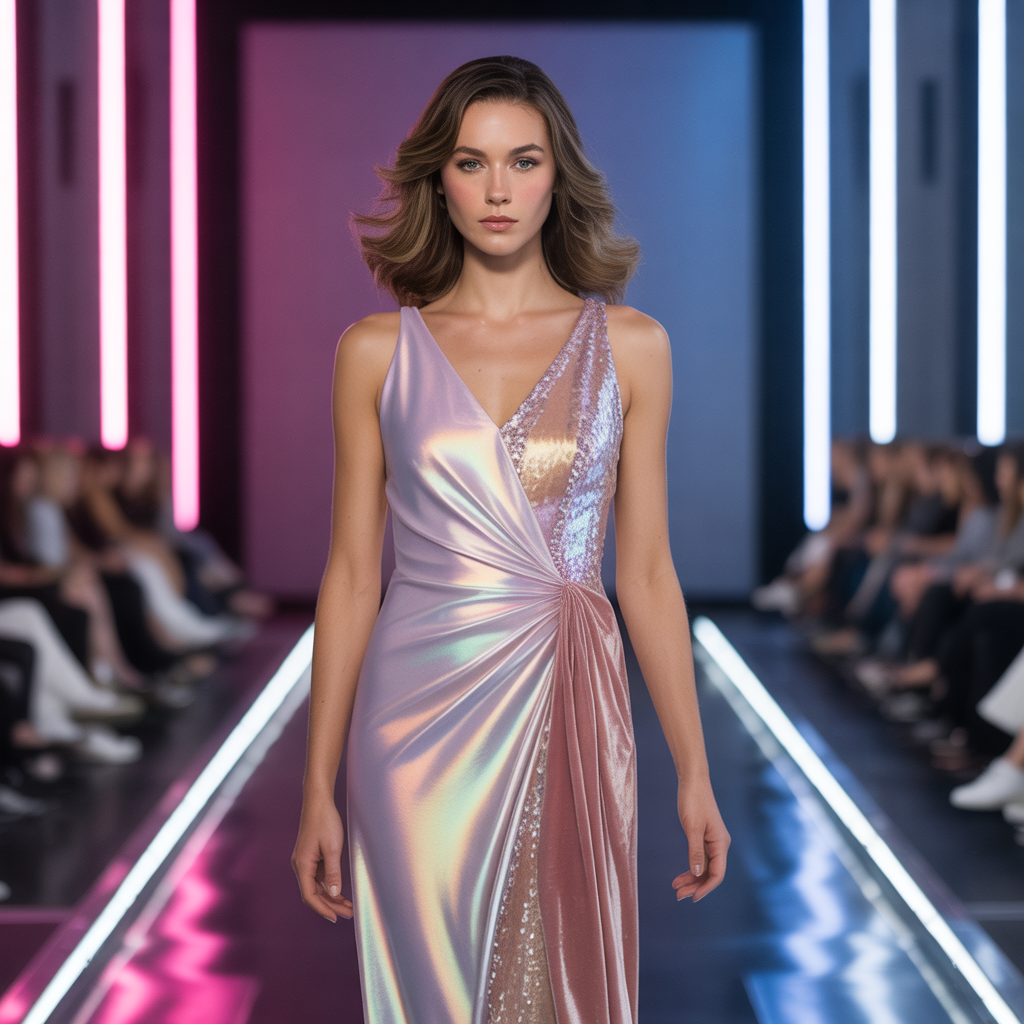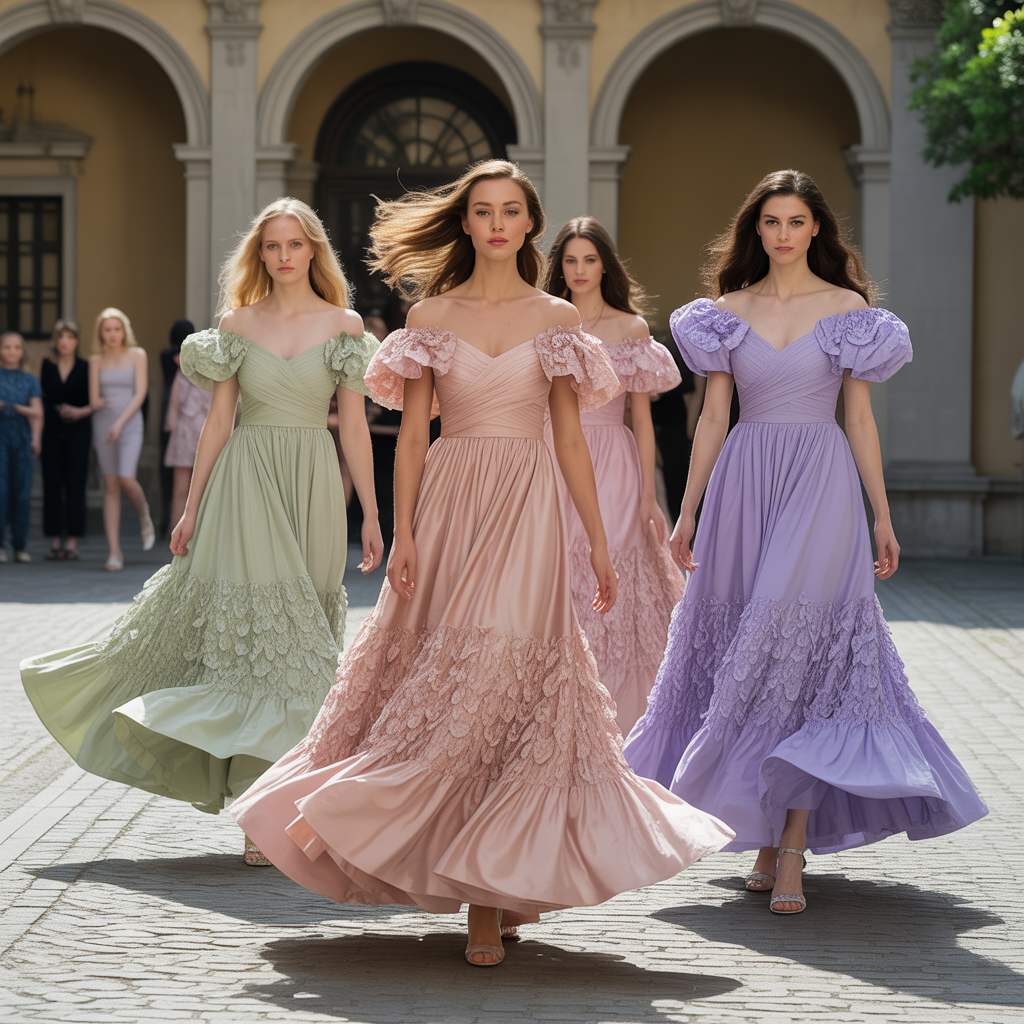
Choosing the right dress for women comes down to four things: the occasion and its dress code, a silhouette that suits your body shape, a fabric that fits the season, and a length you can move in comfortably. Get those right and styling is easy: shoes, a layer and one or two accessories finish the look. This guide walks through each decision with quick reference tables, outfit formulas for work, weekends and events, and fit and care checks so your dress lasts.

Step 1: Start with the occasion and dress code
Before you think about color or cut, check where you are going. Invitations and workplaces often signal a dress code, and each one points to a different type of dress.
| Dress code | What it usually means | Dress styles that work |
| Casual | Relaxed, comfortable | T-shirt dress, sundress, shirt dress, knit midi |
| Smart casual | Put together but not formal | Wrap dress, shirt dress with belt, printed midi |
| Business | Office and client meetings | Sheath, shift or structured midi in neutral colors |
| Cocktail | Evening parties, many weddings | Knee-length or midi dresses in satin, crepe or lace |
| Black tie optional | Formal, some flexibility | Elegant midi or floor-length gown |
| Black tie | Very formal evening events | Floor-length gown in a luxurious fabric |
Time of day matters too. Daytime events favor lighter colors and fabrics, while evening events suit deeper tones, sheen and embellishment. For weddings specifically, our guide to dress ideas for wedding guests covers etiquette such as avoiding white.

Step 2: Choose a silhouette for your body shape
Body shape guidance is a starting point, not a rulebook. Wear what makes you feel good, but these pairings help if you want to highlight or balance certain areas.
- Hourglass (bust and hips similar, defined waist): wrap dresses, sheath dresses and belted styles follow your natural curves.
- Pear (hips wider than shoulders): A-line and fit-and-flare skirts, with detail at the neckline or structured shoulders to draw the eye up.
- Apple (fuller midsection): empire waists, V-necks and flowing fabrics that skim rather than cling.
- Rectangle (straight up and down): belts, ruffles, peplums and wrap ties create curves; shift dresses also look sleek.
- Inverted triangle (shoulders wider than hips): simple necklines on top with fuller skirts, pleats or A-lines below.
For a deeper look at shapes and proportions, see our guide to dressing for your body type.

Step 3: Pick the right length
| Length | Where it falls | Best for |
| Mini | Mid-thigh | Parties, casual summer days |
| Knee-length | Just above or at the knee | Office, cocktail events, most occasions |
| Midi | Between knee and ankle | Almost anything; the most versatile length |
| Maxi | Ankle | Vacations, relaxed events, cooler days |
| Floor-length | Touches or skims the floor | Black tie and formal evening events |
If you are petite, a midi that ends at the slimmest part of your calf and a V-neck help lengthen your frame. If you are tall, maxi dresses and bold prints are easy wins.

Step 4: Match the fabric to the season
- Summer: cotton, linen, linen blends, viscose and lightweight rayon breathe well in heat.
- Winter: wool blends, ponte knit, velvet, heavier crepe and sweater knits add warmth and structure.
- All year: jersey and stretch cotton are comfortable, easy to pack and forgiving on the body.
- Special occasions: satin, silk, chiffon and lace. Note that satin shows creases and water marks, so carry it carefully.
Our guide to dress materials compares fabrics in more detail, including how each one wears and washes.

Popular dress styles and when to wear them
- Wrap dress: adjustable at the waist, flattering on many shapes, works from office to dinner.
- Sheath: fitted and straight, the classic workwear dress.
- Shirt dress: collared and buttoned, smart casual with a belt, relaxed without one.
- Slip dress: bias-cut and silky; layer a tee underneath by day, wear alone with heels at night.
- A-line: fitted at the top and flaring gently, easy to wear and good for most occasions.
- Shift: straight and loose, comfortable in warm weather and easy to accessorize.
- Knit or sweater dress: cozy cold-weather option with boots and tights.

Outfit formulas that work
Casual daytime
- Floral midi + white sneakers + denim jacket.
- T-shirt dress + ankle boots + crossbody bag.
- Linen shift + flat sandals + straw tote.
Office
- Neutral sheath + structured blazer + low block pumps.
- Shirt dress + thin belt + loafers.
- Knit midi + long cardigan + knee boots in winter.

Evening and events
- Satin slip dress + strappy heels + statement earrings.
- Wrap dress + heeled boots + small clutch.
- Floor-length gown + fine jewelry + a wrap or tailored coat for the journey. For celebrations, our women bday dress guide has more party ideas.
Choosing colors and prints
Color is the first thing people notice, so it is worth choosing deliberately. A simple way to test a shade is to hold the dress under your chin in daylight: flattering colors make your skin look even and your eyes brighter, while unflattering ones can make you look tired or sallow.
- Warm undertones (veins look greenish, gold jewelry suits you): try olive, rust, camel, coral, warm red and cream.
- Cool undertones (veins look bluish, silver suits you): try navy, emerald, berry, icy pastels, cool red and pure white.
- Neutral undertones: most shades work; soft teal, dusty rose and true navy are easy wins.
For prints, scale matters. Small prints read quieter and suit petite frames and offices, while large florals and bold graphics suit taller frames and relaxed occasions. Vertical stripes and a single print from neck to hem create a long, unbroken line. If you are building a first capsule, start with solids in navy, black, camel or a favorite jewel tone, then add one or two prints you love, since solids are far easier to restyle with different accessories.
Accessories, hair and makeup
Pick one focal point. If the dress is a bold print or heavily embellished, keep jewelry fine and makeup fresh. If it is a solid color, add a statement earring, bold lip or bright bag. Match metals to your undertone (gold for warm, silver for cool) or mix them deliberately. Shoes set the formality: sneakers and flats keep things casual, loafers and block heels read polished, and slim heels dress anything up.
For hair, soft waves suit romantic dresses, a sleek bun or low ponytail suits structured and office dresses, and an updo shows off halter and high necklines. Browse women hair styles for ideas by length and texture.

Fit and quality checks before you buy
- Move in it: sit, walk, bend and raise your arms. Watch for riding up, gaping or pulling across the bust and back.
- Check shoulder seams: they should sit at the edge of your shoulder.
- Look at the zip and seams: a zip should lie flat and seams should be straight with no loose threads.
- Hold it to the light: check whether light fabrics need a slip or lining.
- Read the label: dry-clean-only fabrics add ongoing cost.
- Online orders: compare your measurements to the size chart for that brand and check the return window before buying.
Small alterations such as hemming or taking in the waist are usually worth it for a dress you love, and a good tailor can make an affordable dress look far more expensive.

Building a small dress wardrobe on a budget
You do not need dozens of dresses. A capsule of four or five covers most of life: a neutral sheath or shift for work, a wrap dress for smart casual, a comfortable jersey or T-shirt dress for weekends, a knit dress for winter and one special occasion dress in a flattering solid color. Swap shoes, belts, scarves and layers such as blazers, cardigans and denim jackets to create many more outfits from the same pieces.
Caring for your dresses
- Follow the care label; hand wash delicates in cool water.
- Steam rather than iron silk, satin and chiffon.
- Hang woven dresses on padded hangers and fold knits so they do not stretch.
- Store special occasion dresses in breathable garment bags, not plastic.

Frequently asked questions
What is the most versatile dress for women?
A wrap dress or a classic sheath in a neutral color. Both move easily from work to dinner and flatter many body shapes.
What dress length suits most women?
Midi and knee-length dresses suit most heights and occasions. Petite women often prefer a midi that ends at the slimmest part of the calf.
How do I choose a dress for a formal event?
Check the dress code and time of day. Black tie usually calls for a floor-length gown, while cocktail events suit a knee-length or midi dress in an elegant fabric.
How can I style one dress in different ways?
Change the shoes, add a belt, and layer a blazer, cardigan or denim jacket. Swapping jewelry and bags also shifts a dress from casual to dressy.
What fabric is best for a summer dress?
Cotton, linen and viscose are breathable and comfortable in hot weather. Avoid heavy synthetics that trap heat.