
Have you ever stood in front of your closet wishing each dress felt more like it was made for you — and wondered how a simple sketch could unlock that perfect fit and style? Whether you’re doodling evening gown sketches on a coffee break or planning a bridal silhouette, learning dress design drawing is the first step to turning inspiration into a wearable reality.
Why dress design drawing matters
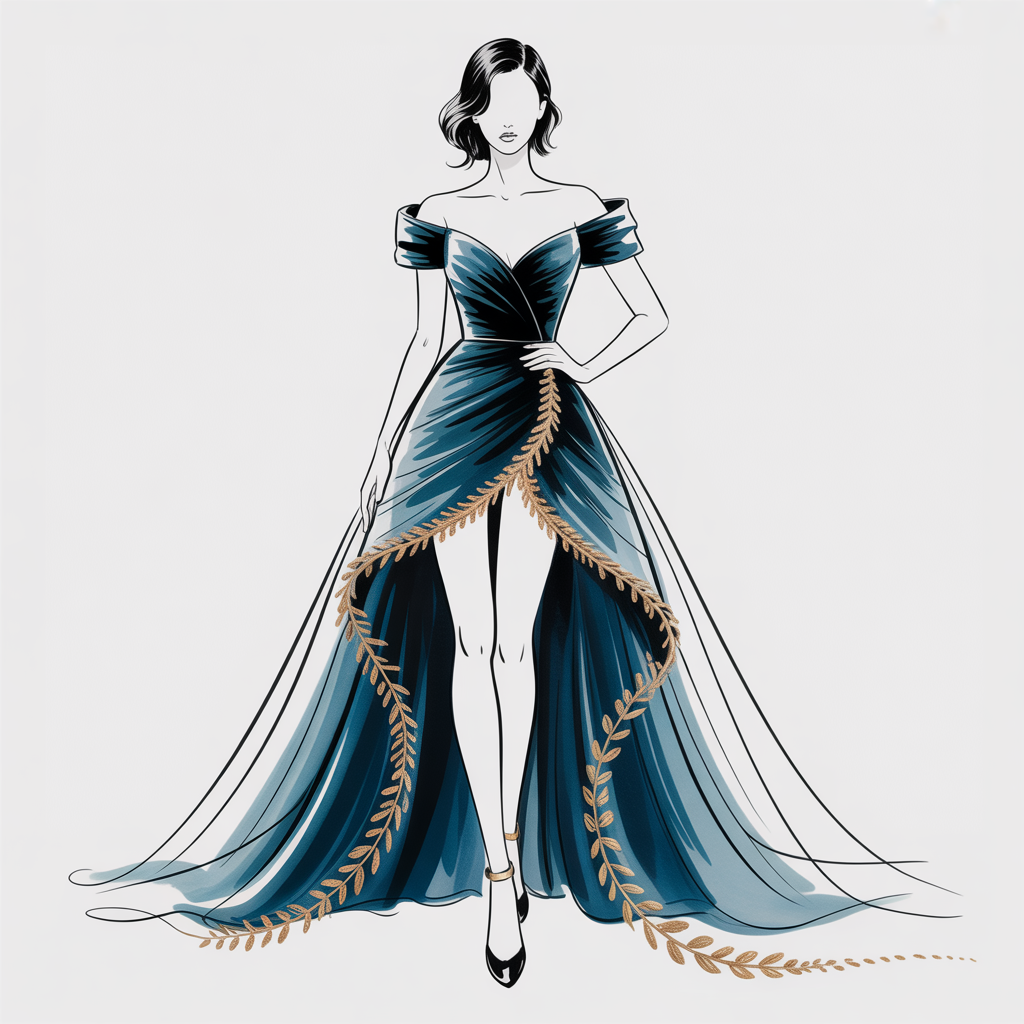
Fashion starts as an idea, and a clear dress sketch or fashion illustration helps you communicate silhouette, fabric, and details. From moodboard to runway, a thoughtful design drawing lets you experiment with necklines, hemlines, and pleats without wasting fabric. For personal style seekers and aspiring designers alike, mastering garment illustration is both creative and practical — and surprisingly empowering.
Getting started with dress design drawing
Ready to try your first sketch? Here’s a simple, encouraging roadmap for beginners and style enthusiasts.
1. Gather inspiration and long-tail keywords
- Collect photos, textures, and color swatches. Think “evening gown sketch ideas,” “bridal dress design drawing,” or “how to draw dress designs step by step” to guide your research.
- Save silhouettes you love — A-line, sheath, mermaid — and note what makes them flattering for different body shapes.
2. Choose your tools and templates
- Start with a basic croquis (a proportional fashion figure) or use flat sketch templates to practice technical drawing.
- Prefer digital? Use a tablet with an illustration app. Prefer paper? A smooth sketch pad and mechanical pencil work beautifully.
3. Sketch structure before details
- Block in the silhouette first — neckline, waistline, hem. Keep lines loose at first.
- Add construction notes: seam lines, darts, closures. These technical elements make your sketches usable for sewing or pattern-making.
Step-by-step fashion illustration tips (H3s that actually help)
Proportion and movement
elongate the figure lightly to emphasize the clothing rather than the anatomy — most croquis use 9–10 head proportions. Capture movement: a flowing skirt should tell a story of motion with a few well-placed strokes.
Detailing fabrics and textures
Different fabrics behave differently on the page. Use tiny parallel lines for chiffon, heavier shading for velvet, and crosshatching for structured woven fabrics. Add small notes like “silk charmeuse” or “bias-cut” so the sketch becomes a working reference.
Color and mood
Keep a limited palette for clarity, then add a splash of your signature color. Color blocks communicate contrast and focal points — for example, a dark bodice and a pastel skirt can be shown clearly even in a simple marker wash.
Translating sketches into real outfits
Once your dress design drawing is complete, think practically. Will the seamlines require special sewing skills? Is the fabric cost-effective? Can the silhouette be adapted for day-to-night wear? Translating a sketch into a real garment often involves simplifying trims, choosing supportive linings, and considering wearable proportions.
Outfit combinations and styling tips
- For a sketch with a structured bodice, pair the finished dress with minimalist heels and a bold lip for a modern, confident look.
- A flowing maxi sketch calls for layered delicate necklaces and soft waves — keep makeup dewy and skin luminous.
- Turn a daytime sheath into evening-ready glamour by swapping flats for strappy sandals and adding a statement clutch.
Beauty essentials to complement your dress design drawing
When you design a dress, imagine the whole look. Here are practical beauty and skincare tips that make your finished outfits sing.
Skincare routine for a flawless look
- Cleanse: Gentle cleanser morning and night to keep the canvas clear.
- Exfoliate: Two times a week to boost radiance.
- Hydrate: Lightweight serum in the AM, richer cream at night for smooth makeup application.
- Protect: Daily SPF to preserve skin tone and prevent makeup breakdown during outdoor events.
For more in-depth routines, check our skincare tips page.
Makeup suggestions to match your sketch
- For structured, bold silhouettes: a classic winged liner and matte lip create clean geometry.
- For soft, flowing designs: soft smokey eyes, luminous highlighter, and a nude gloss keep the look ethereal.
- Color-coordinated accents: pick one accessory or eye-shadow shade from your dress palette and echo it subtly in your makeup.
Stay on trend with our latest makeup trends for seasonal ideas.
Real-world fashion advice for wearable sketches
Design with the wearer in mind. Consider lifestyle, season, and comfort. Add pockets to flattering dresses for practicality, choose breathable linings for hot-weather gowns, and test hemlines on different heights before finalizing your pattern. These small, realistic adjustments make your design sketches wearable and beloved.
Frequently Asked Questions
1. How long does it take to learn dress design drawing?
It depends on practice: with focused daily sketching and studying croquis proportions, beginners often see noticeable improvement within 4–8 weeks. Consistency beats speed — short, regular sessions help develop a reliable style.
2. What tools should beginners use for fashion sketches?
Start simple: mechanical pencils, fine liners, markers, and a croquis template. If you prefer digital, a tablet with pressure-sensitive stylus and an app that supports layers is ideal. The tool is less important than practicing shape, proportion, and fabric rendering.
3. Can I turn my dress sketches into a small clothing line?
Yes. After refining your designs and creating technical flats and patterns, start with small runs or made-to-order pieces. Work with a local seamstress or small production studio to prototype, then scale gradually based on demand.
Conclusion: Bring your dress design drawing to life
Whether you’re sketching your first evening gown or refining a capsule collection, dress design drawing is a joyful blend of creativity and craft. Use your sketches as a map — pairing them with intentional skincare, makeup looks, and real-world styling makes each design feel personalized and wearable. Ready to sketch your next showstopper? Practice a simple croquis today, and share your designs for feedback. For more inspiration and how-tos, explore our fashion guides and keep creating.
Call to action: Try sketching a dress tonight — pick a silhouette, add three fabric notes, and post your favorite scan or photo to inspire others. Want step-by-step tutorials or personalized feedback? Subscribe for weekly guides and design prompts.