
Have you ever paused during a period drama and thought, “I want that romantic neckline and those full skirts”? Whether you’re scrolling vintage fashion on Instagram or picking out a dress for a themed event, the allure of a dress 19th century silhouettes never fades. As a women’s beauty and fashion blogger, I’ll show you how to channel those historical vibes without feeling like you’re wearing a costume—pairing skin-care-forward beauty, wearable makeup, and realistic styling tips so you look timeless and feel modern.
The dress 19th century silhouette: why it’s making a comeback
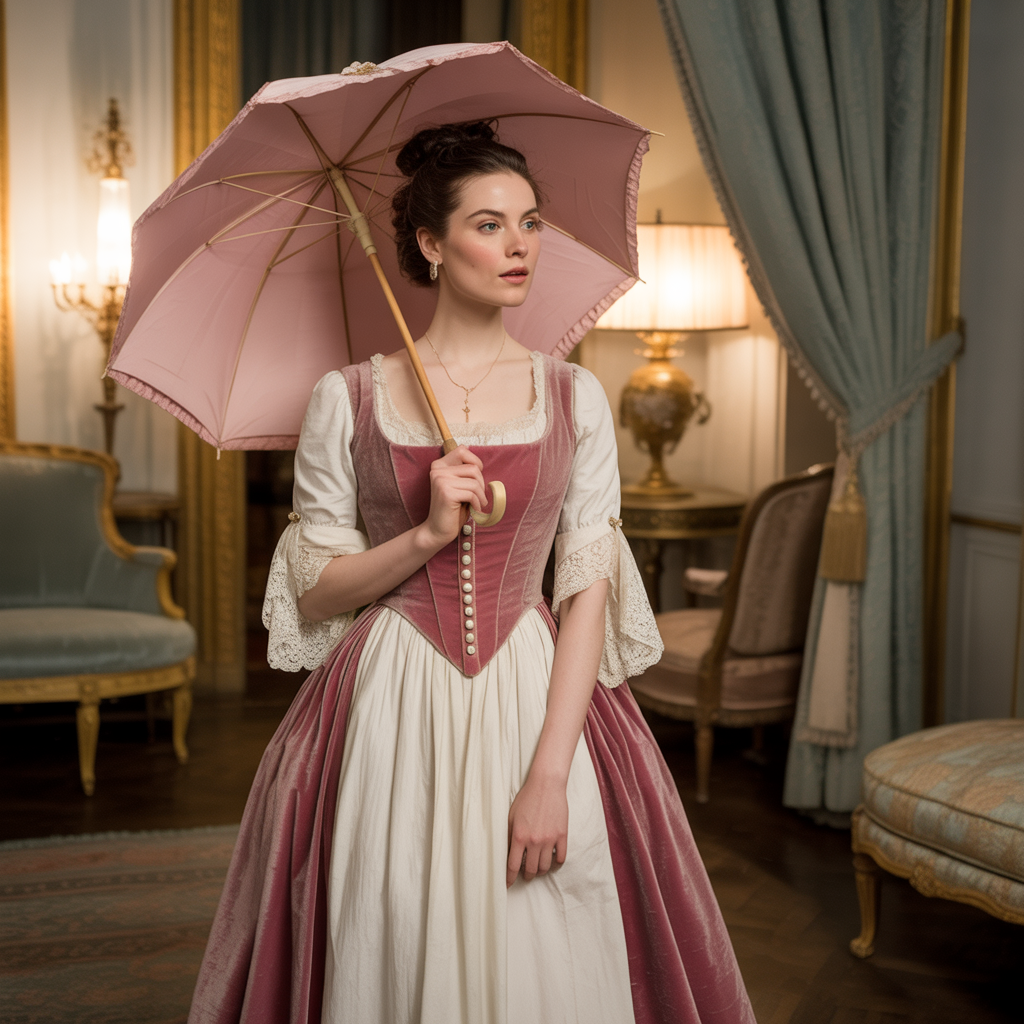
The 19th century gifted us several iconic dress shapes—empire waists, full crinolines, tailored gowns with corsetry, and late-century bustles. Today designers reinterpret these elements into contemporary dresses, blouses, and wedding gowns. The appeal? Soft femininity, sculpted waistlines, and a silhouette that photographs beautifully.
- Long-tail keyword: 19th-century gown styling
- Related terms: Victorian dress, vintage fashion, historical costume inspiration
Key elements of 19th-century dresses (and how to modernize them)
Corsets and waist shaping
Historically, corsets sculpted the torso. Modern alternatives include waist-cinching belts, shapewear, or dresses with built-in boning. If you want the look without the discomfort, choose a dress with structured seams or a wide sash—supportive but wearable.
Crinoline and skirt volume
Full skirts read dramatic on-camera but can overwhelm for everyday. Try a midi skirt with gentle volume, a tulle underskirt, or a single petticoat to capture the drama without the bulk. For events, a lightweight crinoline gives authentic movement.
Bustles and back detail
Bustles emphasize the posterior silhouette. Modern designs often use draping or ruching to nod to this trend. If you love back detail, pick a dress with a fitted back seam or a subtle peplum to evoke the period tastefully.
Necklines and sleeves
Puffed sleeves, bateau necks, and high collars are easy to borrow from the 19th century. Pair a puff-sleeve blouse with high-waisted jeans for daytime or choose a tea-length dress with a square neckline for romantic evenings.
Skincare and beauty routine to pair with historical-inspired looks
Nothing completes a vintage-inspired outfit like luminous skin. A soft, porcelain-like base complements Victorian and Regency-inspired dresses beautifully.
- Morning routine: gentle cleanser, vitamin C serum, lightweight moisturizer with SPF.
- Evening routine: double-cleanse if you wear makeup, hydrating serum (hyaluronic acid), retinol or a gentle AHA (if tolerated), and a nourishing night cream.
- Weekly: exfoliate 1–2x and use a hydrating mask before events to create a smooth canvas for makeup.
Learn more beauty steps in my skincare tips guide to ensure your skin complements any 19th century-inspired garment.
Makeup and hair: soft, timeless, and camera-ready
When pairing makeup with a dress 19th century style, think soft and romantic—not heavy. The goal is to enhance the natural complexion and echo the gentle lines of the garments.
- Base: sheer to medium coverage foundation or a tinted moisturizer for a dewy finish.
- Cheeks: soft rose or peach blush placed high on the apples to emulate a natural flush.
- Eyes: neutral matte shades, a subtle wash of shimmer at the inner corners, and light curl + mascara. Avoid heavy winged liners unless you’re going for dramatic period drama makeup.
- Lips: stain or satin finishes in rose, berry, or muted coral—timeless and soft.
For hair, explore loose chignons, soft waves, or half-up twists accented with pins or silk ribbons. If you want to experiment, search current makeup trends for modern techniques that pair well with vintage silhouettes.
Outfit combinations: practical ways to wear 19th-century elements today
Here are easy outfit formulas that borrow from 19th-century fashion while remaining accessible and comfortable.
- Casual daytime: puff-sleeve blouse + high-waisted straight-leg jeans + ballet flats. Add a skinny belt to hint at corsetry.
- Office-ready: tailored midi dress with subtle boning + low block heel + delicate pendant necklace.
- Date night: tea-length tulle skirt + silk cami + cropped bolero jacket. Finish with soft waves and a rosy lip.
- Event or wedding: reproduction or vintage-inspired 19th-century gown, light crinoline, and classic updo. Get your dress professionally fitted for comfort and accuracy.
Real-world tips: invest in good tailoring, choose breathable fabrics (cotton, silk blends), and avoid wearing genuine heavy corsetry for extended periods—try modern shapewear if you need support.
Styling and wardrobe care: preserving authenticity without the fuss
Collecting or wearing antique pieces is rewarding but requires care. If you buy vintage:
- Inspect seams, linings, and closures before purchase.
- Store garments flat or on padded hangers, away from direct sunlight.
- When in doubt, consult a textile conservator for cleaning delicate fabrics.
For everyday wear, opt for reproduction pieces designed with modern fabrics—these are easier to clean and more comfortable while keeping the historical aesthetic.
Frequently Asked Questions
What exactly is a 19th-century dress?
A 19th-century dress refers to styles worn between 1800–1900, including empire waist gowns of the early 1800s, voluminous crinolines around mid-century, and bustle-enhanced backs toward the late 1800s. Each decade had distinct silhouettes, fabrics, and ornamentation.
How can I wear 19th-century style without looking like I’m in costume?
Mix period elements with contemporary pieces: pair a puff-sleeve blouse with modern denim, or wear a tea-length skirt with a sleek leather jacket. Keep makeup and hair modern and choose one statement period feature rather than a head-to-toe historical look.
Where can I find authentic or reproduction 19th-century dresses?
Look for reputable vintage boutiques, specialty reproduction brands, and costume houses. Markets and curated online vintage sellers also offer pieces—always check condition, measurements, and ask for detailed photos. For easier wear, many modern designers offer Victorian-inspired collections in contemporary fabrics.
Conclusion
Embracing a dress 19th century aesthetic is about borrowing the romance, silhouette, and elegance of historical fashion and translating it into a look that fits your life today. With gentle skin-care, soft makeup, thoughtful tailoring, and smart styling, you can make these classic elements feel fresh and wearable. Ready to try a vintage-inspired look? Explore more fashion guides, test a soft puff sleeve, and tell me which 19th-century element you’ll add to your wardrobe next—share in the comments or tag me in your look!