

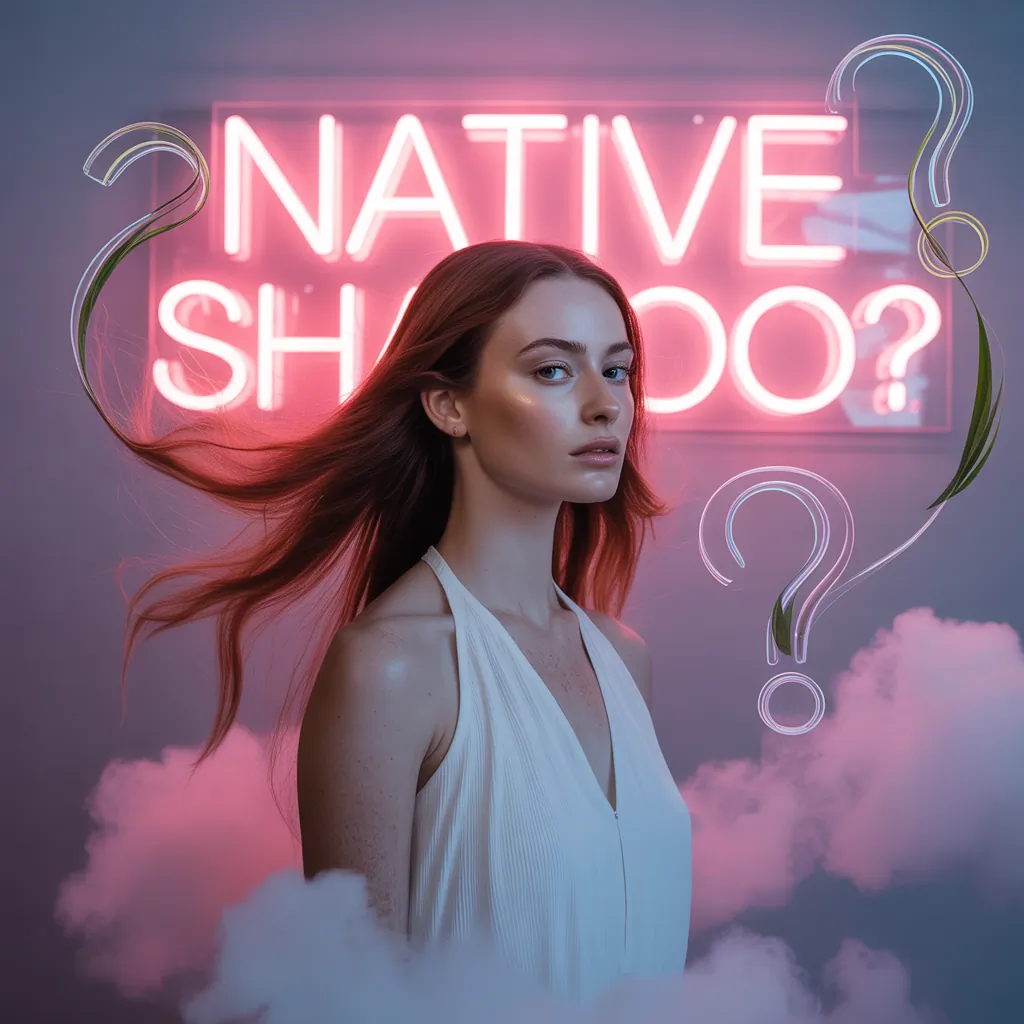
Picture this: you’ve just swapped shampoos because a friend swore by a cleaner, gentler formula. You’re getting ready for brunch, sliding into your favorite silk blouse, and then—yikes—you notice more hairs on the brush than usual. Panic sets in: did changing to Native shampoo make my hair fall out? In this post I’ll unpack the truth, share expert-backed reasons you might see shedding, and give practical beauty, skincare, and outfit advice so you feel confident while you troubleshoot.
Quick answer: No—Native shampoo doesn’t directly cause hair loss for most people
The short version: for the majority of users, Native shampoo does not cause hair loss. Many of Native’s popular formulations are sulfate-free, paraben-free, and marketed as gentle cleansers. However, everyone’s scalp chemistry and sensitivities differ. What feels gentle for one person can be irritating for another. If you notice excessive shedding after switching cleansers, it’s important to investigate a few common culprits before blaming the bottle.
What is Native shampoo and why people switch to it
Native is known for simplified ingredient lists, often featuring milder surfactants (coconut-derived cleansers instead of harsh sulfates), fewer preservatives, and strong fragrances or essential oils. People switch to Native and similar natural/clean brands to avoid irritation, reduce chemical exposure, or to support cruelty-free, eco-friendly products. Those very fragrance oils or botanical extracts, though, are sometimes the reason for sensitivity.
Common ingredients to watch for
- Mild surfactants (coconut-derived cleansers) — gentler than sulfates for many.
- Fragrance or essential oils — pleasant, but can irritate sensitive scalps.
- Preservatives and botanicals — uncommon allergens for some people.
Does Native shampoo cause hair loss? What the research and experts say
Dermatologists and trichologists generally agree: shampoos rarely cause true hair loss (permanent or telogen effluvium) unless they provoke a significant allergic reaction or severe scalp inflammation. Temporary shedding might occur if a product irritates the scalp, or if the hair is already weakened and a change in cleansing routine alters oil balance. In many cases, the timing is coincidental—stress, hormones, medication changes, or seasonal shedding can line up with a product switch.
Why you might see extra shedding after switching shampoos
- Transition purge: A new product can loosen hair that was already nearing shedding, making fall-out more noticeable.
- Sensitivity to fragrance or essential oils: Redness, itching, or discomfort can cause localized inflammation and shedding.
- Reduced scalp oil removal: Gentler formulas sometimes leave residue if not rinsed well, causing clogged follicles and temporary shedding.
- Coincidence: Telogen effluvium from stress, illness, or hormonal shifts often appears weeks after the trigger.
How to tell if your shampoo is the problem
Before you panic, try these simple checks:
- Stop using the product for 2–3 weeks to see if shedding decreases.
- Do a patch test behind the ear for fragrance or ingredient sensitivity.
- Note other changes—diet, stress, medications, or hair treatments (color, keratin, relaxers).
- See a dermatologist if you notice bald patches, severe itching, or persistent shedding.
Hair-care routine tweaks to minimize shedding
Small routine changes can protect fragile hair and support a healthy scalp.
- Use lukewarm water and a gentle scalp massage—don’t scrub aggressively.
- Alternate with a clarifying shampoo once a week if product buildup is an issue.
- Condition mid-length to ends; avoid heavy conditioners at the roots if you have fine hair.
- Avoid daily heat styling and tight hairstyles; opt for low-manipulation styles like loose braids or a low bun.
- Sleep on a silk pillowcase and use a wide-tooth comb on damp hair.
Scalp care and supplements (practical tips)
Incorporate weekly scalp exfoliation or an oil massage to improve circulation. If you’re considering supplements (biotin, iron, vitamin D), talk to your healthcare provider first—blood tests can reveal deficiencies that contribute to hair thinning.
Beauty & fashion tips while you wait for your hair to bounce back
When you’re in hair-sensitivity mode, lean into styling and beauty tricks that make you feel chic while protecting your strands.
- Outfit combos: soft knit sweaters, high-waisted jeans, and silk scarves that don’t press tightly against the scalp. A headband or oversized earrings can redirect attention.
- Low-manipulation hairstyles: loose waves, a sleek low pony, textured bob, or a gentle top knot—use fabric hair ties to prevent breakage.
- Makeup suggestions: amp up brows and a bold lip to frame your face and boost confidence while hair regrows. A luminous base and soft contour make hair appear fuller visually.
- Skincare routine: focus on calming products—use gentle cleansers, a hydrating serum, and SPF to keep your complexion luminous even if you’re skipping daily hairstyles.
Alternatives and when to switch back
If you suspect Native or any shampoo is linked to increased shedding, look for:
- Unscented or low-fragrance formulas
- Dermatologist-tested options
- Products labeled for sensitive scalps or for strengthening hair
When in doubt, rotate products slowly so you can pinpoint reactions and avoid abrupt changes that make tracking causes harder.
Frequently Asked Questions
Q: How soon would I notice hair shedding from a shampoo?
A: If a shampoo irritates your scalp, you might notice increased shedding or breakage within a few washes. True telogen effluvium (stress-related shedding) usually becomes noticeable 6–12 weeks after the trigger.
Q: Can fragrance in Native shampoo cause hair loss?
A: Fragrances and essential oils can irritate sensitive scalps, which in turn may lead to inflammation and temporary shedding. If you’re sensitive, try an unscented formula and patch-test before full use.
Q: Should I see a doctor about hair loss after switching shampoos?
A: Yes—if shedding is heavy, you have bald patches, or the scalp shows signs of severe dermatitis (painful redness, oozing), consult a dermatologist to rule out medical causes.
Conclusion: does native shampoo cause hair loss — your next steps
So, does Native shampoo cause hair loss? For most people the answer is no, but individual sensitivities and coincidental factors mean it can sometimes contribute to temporary shedding. Start with simple troubleshooting: stop the product, patch-test, simplify your routine, and support your scalp with gentle care. If shedding persists, see a professional. Try these practical beauty tips—style with low-manipulation looks, emphasize makeup or outfits to boost confidence, and keep a gentle skincare routine while you wait for hair to recover.
Have you experienced shedding after switching shampoos? Share your story in the comments or explore more resources on skincare tips, makeup trends, and fashion guides to stay gorgeous while you troubleshoot. If you found this helpful, try a patch test this week and come back to tell us what worked!