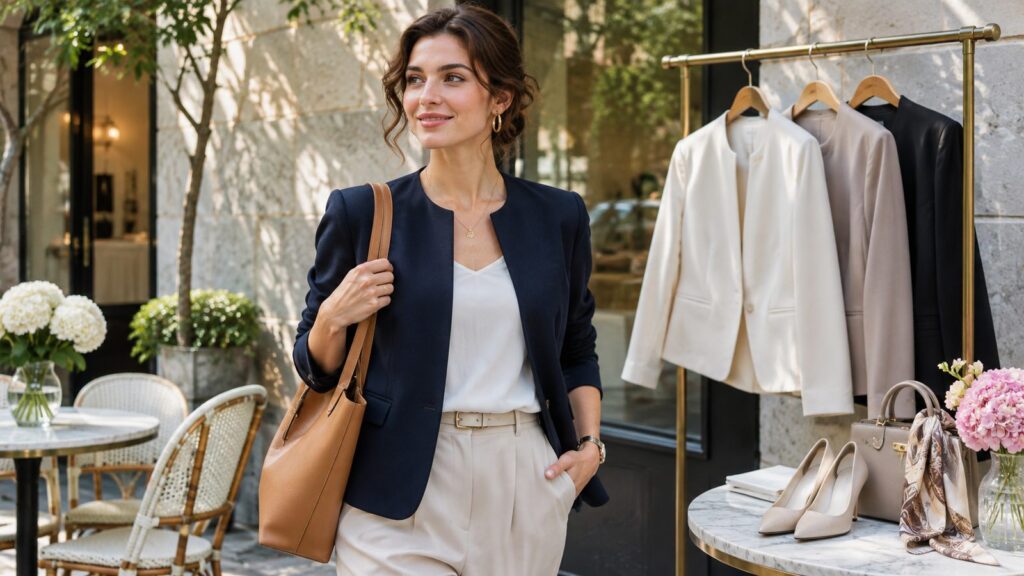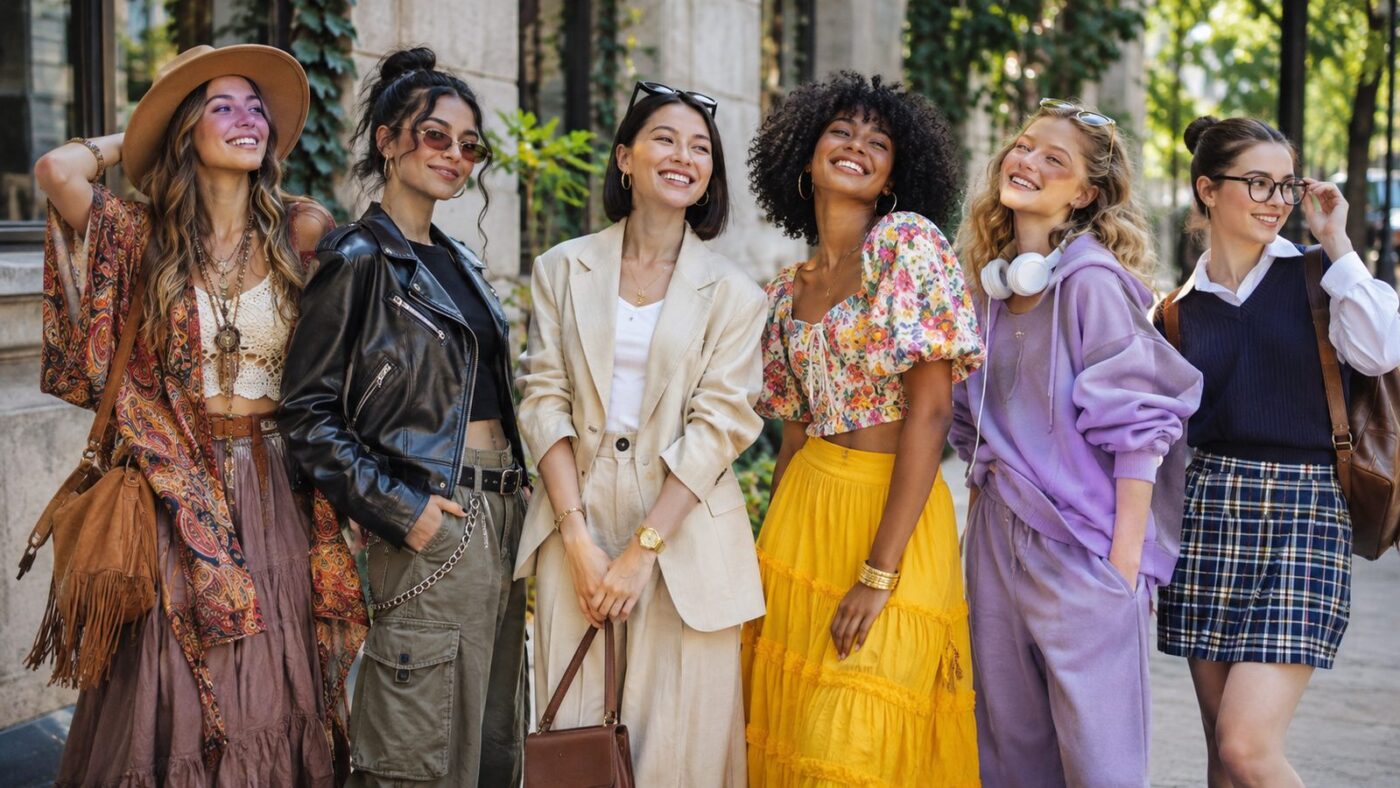
Fashion is a way to express your personality, interests, and everyday lifestyle. Exploring different fashion styles helps you discover clothing combinations that feel comfortable, look intentional, and suit your preferences. From timeless tailoring to expressive streetwear and romantic aesthetics, there is a direction for every gender, age, and occasion. You don’t need to follow one category from head to toe. Many people combine classic basics with creative details or casual clothing with polished accessories. This guide explores 22 recognizable styles, their signature pieces, color palettes, fabrics, and easy ways to try each look.
Quick Guide to 22 Fashion Styles
| Category | Styles covered | General look |
|---|---|---|
| Classic and timeless | Classic, preppy, minimalist, business casual | Polished and versatile |
| Casual and street | Streetwear, athleisure, normcore, skater, grunge | Relaxed and expressive |
| Creative and subculture | Bohemian, vintage and retro, punk, goth, emo and alt, cottagecore, dark academia, Y2K | Individual and distinctive |
| Trend-driven aesthetics | Quiet luxury, coastal grandmother, gorpcore, old money, coquette | Recognizable contemporary looks |
Quick takeaway: Start with the styles that match your lifestyle and favorite silhouettes. Identify their signature colors, fabrics, and clothing pieces before buying anything new. Try one or two elements first, then combine them with clothes you already own.
1. Classic and Timeless Fashion Styles
These styles focus on versatility, clean silhouettes, and clothing that works across different occasions. They’re useful foundations for wardrobes that need to move between everyday activities, social events, and professional settings.
1. Classic Style
Classic style emphasizes balanced proportions, neat tailoring, and understated details. It creates polished outfits without depending on seasonal trends.
- Key pieces: Blazers, straight-leg trousers, white shirts, trench coats, loafers, simple dresses, and leather belts.
- Colors and fabrics: Navy, black, white, beige, camel, and gray. Common fabrics include cotton, wool, linen, leather, and structured blends.
- How to try it: Pair straight trousers with a crisp shirt, a fitted jacket, and simple leather shoes.
2. Preppy Style
Preppy clothing takes inspiration from collegiate dressing and traditional sportswear. It often features neat layers, structured pieces, and classic patterns.
- Key pieces: Polo shirts, Oxford shirts, cable-knit sweaters, chinos, pleated skirts, loafers, and varsity-inspired jackets.
- Colors and fabrics: Navy, white, burgundy, forest green, and pastel shades. Try cotton poplin, wool, cable knits, and lightweight tweed.
- How to try it: Wear a polo or button-down with chinos, loafers, and a sweater layered over your shoulders.
3. Minimalist Style
Minimalist dressing prioritizes simple shapes, thoughtful combinations, and limited decoration. It works well when you prefer a smaller wardrobe with versatile clothing.
- Key pieces: Plain T-shirts, tailored trousers, neutral sweaters, clean sneakers, simple coats, and structured bags.
- Colors and fabrics: Black, white, gray, cream, taupe, and charcoal. Choose cotton, linen, wool, cashmere, and smooth jersey.
- How to try it: Build an outfit around two neutral colors, clean silhouettes, and one understated accessory.
4. Business Casual Style
Business casual combines professional clothing with relaxed everyday pieces. The exact dress code depends on your workplace, so check its expectations before choosing an outfit.
- Key pieces: Chinos, tailored trousers, blazers, button-down shirts, knit tops, midi skirts, loafers, and simple dresses.
- Colors and fabrics: Navy, gray, black, cream, and muted blue. Cotton, wool blends, linen blends, and comfortable stretch fabrics work well.
- How to try it: Combine tailored trousers with a knit top, a relaxed blazer, and comfortable loafers.
2. Casual and Street Fashion Styles
Casual and street-inspired clothing puts comfort, movement, and personal expression first. These looks work particularly well for everyday activities, weekend plans, and relaxed social settings.
5. Streetwear Style
Streetwear combines relaxed silhouettes, graphic elements, sneakers, and sporty influences. It allows you to make simple outfits more expressive through layering and accessories, and these street-ready outfit ideas show how.
- Key pieces: Oversized hoodies, graphic T-shirts, cargo pants, relaxed denim, sneakers, caps, and crossbody bags.
- Colors and fabrics: Black, white, gray, denim blue, and bold accent colors. Cotton jersey, fleece, denim, nylon, and technical blends are common.
- How to try it: Start with a graphic tee, relaxed jeans, statement sneakers, and a lightweight jacket.
6. Athleisure Style
Athleisure blends athletic clothing with everyday outfits. It focuses on practical movement, comfortable fits, and sporty details.
- Key pieces: Leggings, joggers, sports-inspired tops, zip-up jackets, hoodies, running shoes, and track pants.
- Colors and fabrics: Black, gray, navy, white, and bright accents. Look for stretch jersey, polyester blends, spandex, and breathable cotton.
- How to try it: Wear tapered joggers with a fitted top, a casual jacket, and clean trainers.
7. Normcore Style
Normcore celebrates ordinary, uncomplicated clothing rather than attention-grabbing outfits. Its appeal comes from familiar basics and comfortable combinations.
- Key pieces: Plain T-shirts, straight jeans, fleece jackets, simple sweaters, basic sneakers, and practical backpacks.
- Colors and fabrics: Gray, navy, white, faded blue, beige, and muted green. Cotton, fleece, denim, and basic knitwear fit the look.
- How to try it: Combine a plain sweatshirt with straight jeans and simple sneakers, keeping accessories minimal.
8. Skater Style
Skater style takes inspiration from skateboarding clothing and prioritizes freedom of movement. Relaxed fits, durable materials, and graphic details define its casual appearance.
- Key pieces: Loose jeans, graphic tees, flannel shirts, hoodies, canvas sneakers, beanies, and skate-inspired jackets.
- Colors and fabrics: Black, faded denim, white, red, and earthy tones. Choose durable cotton, denim, canvas, flannel, and fleece.
- How to try it: Pair loose-fit jeans with a graphic tee, an open flannel shirt, and flat-soled sneakers.
9. Grunge Style
Grunge features distressed textures, relaxed layering, and an intentionally unpolished appearance. It mixes comfortable basics with darker colors and rugged accessories.
- Key pieces: Flannel shirts, ripped jeans, oversized sweaters, band-style graphic tees, leather jackets, and combat boots.
- Colors and fabrics: Black, charcoal, burgundy, faded blue, and dark green. Denim, cotton, flannel, leather, and distressed knits are common.
- How to try it: Layer a loose flannel over a dark tee, add faded jeans, and finish with sturdy boots.
3. Creative and Subculture Fashion Styles
Creative styles allow you to experiment with texture, historical references, music-inspired details, and expressive silhouettes. They can be subtle or bold, depending on how many signature elements you choose.
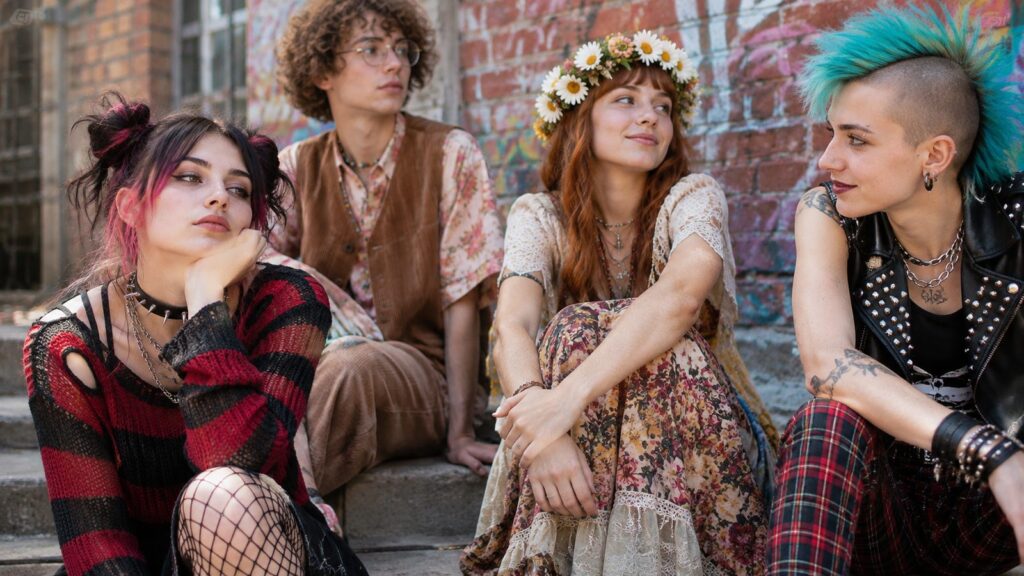
10. Bohemian Style
Bohemian style favors relaxed silhouettes, natural textures, artistic details, and layered accessories. Its outfits often combine flowing shapes with earthy colors and decorative patterns.
- Key pieces: Loose blouses, wide-leg pants, maxi skirts, embroidered shirts, suede jackets, scarves, and layered jewelry.
- Colors and fabrics: Rust, olive, cream, terracotta, mustard, and brown. Linen, cotton, crochet, suede, and lightweight woven fabrics work well.
- How to try it: Combine wide-leg trousers with an embroidered top, layered necklaces, and comfortable sandals.
11. Vintage and Retro Style
Vintage and retro dressing draws inspiration from earlier fashion decades. You can recreate a specific era or mix older-looking pieces with contemporary basics.
- Key pieces: High-waisted trousers, vintage-inspired dresses, patterned shirts, cardigan sweaters, denim jackets, and classic accessories.
- Colors and fabrics: Colors depend on the era, including mustard, teal, cream, red, and pastel shades. Try cotton, wool, corduroy, silk, and denim.
- How to try it: Choose one decade-inspired item, such as a patterned shirt or high-waisted trousers, and pair it with modern shoes.
12. Punk Style
Punk style expresses individuality through bold contrasts, distressed clothing, and rebellious details. It often uses hardware, graphic prints, and deliberately unconventional combinations.
- Key pieces: Leather jackets, ripped jeans, band-style tees, studded belts, combat boots, safety-pin details, and plaid trousers.
- Colors and fabrics: Black, red, white, and dark plaid. Denim, leather, cotton, metal hardware, and mesh are common choices.
- How to try it: Wear a black tee with ripped denim, a studded belt, and chunky boots.
13. Goth Style
Goth style uses dark colors, dramatic shapes, and expressive textures. Depending on your preference, it can feel romantic, minimalist, theatrical, or sharply structured, as in this minimal dark wardrobe guide.
- Key pieces: Black coats, long skirts, fitted tops, lace shirts, platform boots, dark jewelry, and layered accessories.
- Colors and fabrics: Black, burgundy, midnight blue, and deep purple. Velvet, lace, leather, mesh, cotton, and satin help create contrast.
- How to try it: Start with an all-black outfit and add one textured layer, such as a velvet jacket or lace top.
14. Emo and Alternative Style
Emo and alternative fashion use expressive graphics, layered outfits, distinctive accessories, and contrasting proportions. The look can range from understated dark casual clothing to more dramatic combinations.
- Key pieces: Graphic tees, skinny or relaxed jeans, striped tops, hoodies, layered necklaces, belts, and boots or sneakers.
- Colors and fabrics: Black, charcoal, white, red, and occasional bright accents. Cotton jersey, denim, mesh, and knitwear are useful.
- How to try it: Combine a graphic tee with dark jeans, a striped layer, and contrasting accessories.
15. Cottagecore Style
Cottagecore is a romantic, nature-inspired aesthetic that uses soft silhouettes and countryside references. It often features delicate prints, comfortable layers, and handmade-looking details.
- Key pieces: Floral dresses, puff-sleeve tops, knitted cardigans, linen skirts, aprons, woven bags, and simple flats.
- Colors and fabrics: Sage, cream, dusty pink, soft blue, and floral tones. Cotton, linen, crochet, lace, and lightweight knits suit the look.
- How to try it: Pair a floral dress with a cardigan, simple shoes, and a woven accessory.
16. Dark Academia Style
Dark academia combines academic-inspired clothing with traditional tailoring and muted, rich colors. Its visual references often include libraries, classic literature, and vintage-inspired dressing.
- Key pieces: Tweed blazers, sweater vests, collared shirts, pleated trousers, plaid skirts, loafers, and structured coats.
- Colors and fabrics: Chocolate brown, black, burgundy, forest green, and navy. Wool, tweed, corduroy, cotton, and knitwear are common.
- How to try it: Wear a collared shirt beneath a sweater vest, then add tailored trousers and loafers.
17. Y2K Style
Y2K is a fashion aesthetic inspired by late-1990s and early-2000s clothing. It uses playful proportions, shiny finishes, nostalgic accessories, and noticeable details.
- Key pieces: Cropped tops, cargo pants, denim skirts, low-rise or wide-leg jeans, mini bags, tinted sunglasses, and statement belts.
- Colors and fabrics: Metallic silver, pink, baby blue, white, and bright colors. Denim, glossy synthetics, mesh, velour, and stretch fabrics suit the look.
- How to try it: Combine a fitted top with relaxed cargo pants, a small shoulder bag, and playful accessories.
4. Trend-Driven Fashion Styles and Online Aesthetics
The following five names are trend or aesthetic labels popularized through online fashion conversations and social media. They describe recognizable visual combinations rather than strict, universal dress codes. Their popularity can change, so treat them as inspiration instead of rules.
18. Quiet Luxury
Quiet luxury describes understated dressing with an emphasis on fit, fabric, and subtle finishing. It avoids prominent branding and relies on simple, well-considered pieces.
- Key pieces: Tailored coats, fine-knit sweaters, straight trousers, simple shirts, leather shoes, and understated bags.
- Colors and fabrics: Cream, beige, camel, gray, navy, and black. Wool, cashmere, cotton, silk, and quality leather suit the aesthetic.
- How to try it: Choose a neutral knit, tailored trousers, clean shoes, and minimal accessories.
19. Coastal Grandmother
Coastal grandmother is an online-popularized aesthetic built around relaxed, polished coastal-inspired clothing. It favors comfortable layers, light colors, and natural-looking textures.
- Key pieces: Linen shirts, relaxed trousers, knit sweaters, simple dresses, canvas bags, and comfortable sandals.
- Colors and fabrics: White, cream, beige, soft blue, and sandy neutrals. Linen, cotton, lightweight cashmere, and natural-textured knits are common.
- How to try it: Wear a loose white linen shirt with relaxed trousers, sandals, and a woven tote.
20. Gorpcore
Gorpcore brings functional outdoor clothing into everyday urban outfits. Its defining features include practical layers, weather-ready materials, and utility-focused accessories.
- Key pieces: Fleece jackets, shell jackets, hiking trousers, cargo pants, trail shoes, backpacks, and insulated outerwear.
- Colors and fabrics: Olive, black, gray, brown, and bright outdoor accents. Nylon, fleece, ripstop, waterproof fabrics, and technical blends work well.
- How to try it: Pair cargo trousers with a fleece layer, practical sneakers, and a compact backpack.
21. Old Money Aesthetic
Old money is an online-popularized aesthetic associated with restrained, traditional, and polished clothing. It emphasizes classic silhouettes, subtle accessories, and coordinated outfits rather than visible logos.
- Key pieces: Polo shirts, tailored blazers, cable-knit sweaters, pleated trousers, loafers, and structured coats.
- Colors and fabrics: Navy, cream, white, camel, and forest green. Wool, cotton, cashmere, linen, and leather fit the look.
- How to try it: Combine a neutral knit with tailored trousers, loafers, and a simple leather belt.
22. Coquette Aesthetic
Coquette is an online-popularized romantic aesthetic featuring delicate details and traditionally feminine styling cues. Its recognizable elements include bows, lace, soft colors, and decorative accessories.
- Key pieces: Ribbon details, lace blouses, cardigans, pleated skirts, slip dresses, ballet flats, and delicate jewelry.
- Colors and fabrics: Blush pink, ivory, white, pale blue, and soft pastels. Lace, satin, chiffon, cotton, and lightweight knits are common.
- How to try it: Add a ribbon or bow accessory to a simple outfit with a soft cardigan and delicate shoes.
Fashion Styles Comparison: Which Look Matches Your Taste?
Use this comparison to identify the general direction that appeals to you. Each style can be adapted to different budgets, body preferences, climates, and personal needs.
| Style | Main clothing focus | Typical colors | Best starting piece |
|---|---|---|---|
| Classic | Tailored basics | Navy, beige | Blazer |
| Preppy | Collegiate layers | Navy, green | Polo shirt |
| Minimalist | Clean silhouettes | Black, cream | Plain knit |
| Business casual | Office-ready separates | Gray, blue | Tailored trousers |
| Streetwear | Oversized casual pieces | Black, bold accents | Graphic tee |
| Athleisure | Sport-inspired basics | Black, gray | Joggers |
| Normcore | Everyday essentials | Neutral shades | Plain sweatshirt |
| Skater | Relaxed street clothing | Denim, black | Loose jeans |
| Grunge | Distressed layers | Burgundy, charcoal | Flannel shirt |
| Bohemian | Flowing, textured pieces | Earth tones | Embroidered top |
| Vintage and retro | Era-inspired clothing | Era-dependent | Vintage shirt |
| Punk | Rebellious details | Black, red | Leather jacket |
| Goth | Dark, dramatic textures | Black, purple | Dark coat |
| Emo and alt | Graphic layers | Black, red | Printed tee |
| Cottagecore | Romantic natural pieces | Sage, cream | Floral dress |
| Dark academia | Academic-inspired tailoring | Brown, navy | Tweed blazer |
| Y2K | Nostalgic statement pieces | Pink, silver | Mini bag |
| Quiet luxury | Refined wardrobe basics | Camel, cream | Fine-knit sweater |
| Coastal grandmother | Relaxed coastal layers | White, blue | Linen shirt |
| Gorpcore | Functional outdoor clothing | Olive, gray | Shell jacket |
| Old money | Traditional polished pieces | Navy, camel | Cable-knit sweater |
| Coquette | Romantic decorative details | Pink, ivory | Bow accessory |
How to Find Your Own Fashion Style
Finding a personal look doesn’t require choosing one label and replacing your entire wardrobe. The most useful approach is to understand which colors, silhouettes, fabrics, and clothing combinations you enjoy wearing. Use these practical steps to develop a wardrobe that reflects your personality and daily routine.
1. Create a Fashion Mood Board
Collect outfit photographs, color combinations, textures, and accessories that catch your attention. Use Pinterest, saved social media posts, magazine clippings, or photographs of outfits you already own. Look for repeated details across your collection. You might notice neutral colors, oversized jackets, structured trousers, romantic prints, or sporty footwear. These patterns can help you identify two or three directions worth exploring.
2. Build a Practical Capsule Wardrobe
A capsule wardrobe contains versatile pieces that work together across multiple outfits. Start with clothing that suits your routine instead of buying every item associated with a particular aesthetic. Consider these useful foundations:
- Two or three everyday tops.
- One comfortable pair of jeans.
- One pair of tailored or relaxed trousers.
- A versatile jacket or cardigan.
- Comfortable everyday shoes.
- One statement piece that reflects your personality.
- Accessories that complement several outfits.
Choose colors that coordinate naturally, then add a few accent shades. This approach makes it easier to experiment without overspending.
3. Experiment With Mixing Styles
You can combine different aesthetics without making your outfit feel confusing. Choose one main direction and introduce another through a garment, texture, color, or accessory. For example, try these combinations:
- Classic and streetwear: Tailored trousers, a graphic tee, and clean sneakers.
- Minimalist and bohemian: Neutral trousers, a flowing shirt, and layered jewelry.
- Preppy and grunge: A cable-knit sweater, distressed denim, and sturdy boots.
- Goth and romantic: A dark outfit with lace details and delicate accessories.
- Old money and casual: A structured blazer, a plain T-shirt, and relaxed jeans.
Keep the proportions and colors balanced. You can also use accessories to introduce a new direction without changing your entire outfit.
4. Dress for Your Lifestyle and Comfort
Your wardrobe should work for your real schedule, climate, and activities. A style that looks appealing online may not suit your commute, workplace, or daily comfort needs. Consider how often you attend formal events, spend time outdoors, travel, or work in relaxed environments. Choose fabrics that suit your local weather and clothing that allows comfortable movement. Personal style becomes more useful when it works beyond photographs.
5. Review and Refine Your Wardrobe
Take photographs of outfits you enjoy wearing and keep track of the combinations that feel most natural. Notice which purchases get repeated use and which items remain untouched. Over time, you can refine your color palette, identify missing essentials, and shop with greater confidence.
Frequently Asked Questions
What are the different fashion styles?
Different fashion styles include classic, preppy, minimalist, business casual, streetwear, athleisure, normcore, skater, grunge, bohemian, vintage, punk, goth, emo and alternative, cottagecore, dark academia, Y2K, quiet luxury, coastal grandmother, gorpcore, old money, and coquette. Each uses recognizable clothing shapes, colors, fabrics, and accessories. Most people can combine several directions to create a personal look.
Can fashion styles work for all genders?
Yes, these clothing directions can be adapted for all genders. Tailored trousers, oversized shirts, knitwear, denim, jackets, and accessories offer flexible styling options. Focus on the fit, comfort, and expression you prefer rather than gender-based clothing rules.
How many fashion styles should you combine?
There is no fixed limit, but starting with two or three directions makes outfit planning easier. Choose one as your foundation and use the others for accents. You can experiment with more combinations as you learn which pieces work together.
How do I find my personal fashion style?
Start by collecting outfit inspiration and identifying repeated colors, shapes, and fabrics. Review your existing wardrobe to understand what you enjoy wearing most. Then build a small capsule and test new combinations before purchasing additional pieces.
Are fashion aesthetics different from traditional clothing styles?
Traditional styles often describe established ways of dressing, such as classic, preppy, and minimalist. Online aesthetics tend to package recognizable combinations of colors, clothing, textures, and cultural references under specific names. The categories can overlap, and neither requires strict rules.
Can I follow fashion trends without buying a new wardrobe?
Absolutely. Use accessories, layering, and one or two trend-inspired pieces to refresh clothing you already own. A new scarf, jacket, pair of shoes, or color combination can change an outfit without requiring a complete wardrobe replacement.
Final Thoughts: Make Fashion Your Own
Exploring different clothing styles is a practical way to understand your preferences and develop a wardrobe that feels personal. You might prefer classic tailoring, relaxed streetwear, romantic details, or a combination of several aesthetics. The goal is to find clothing that supports your lifestyle and makes you feel comfortable expressing yourself. Start with the pieces you already own, experiment with new combinations, and build your wardrobe gradually. Save outfit inspiration, pay attention to fit, and choose items you can wear in multiple ways. Your personal style doesn’t need a permanent label; it should evolve with your interests, needs, and everyday life. —